Social Skills Development for Children with Autism Spectrum Disorder
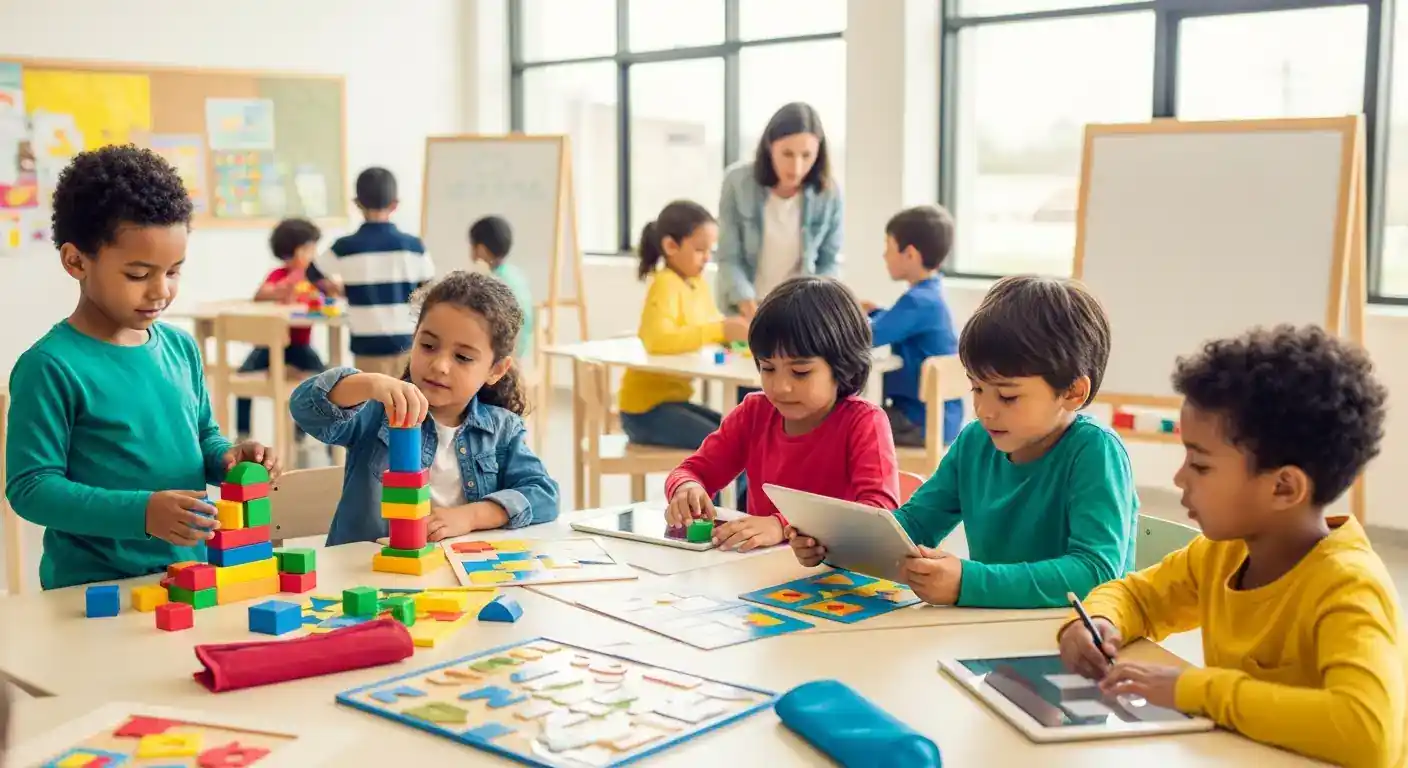
Social Skills Development for Children with Autism Spectrum Disorder
Navigating the social world can be a complex journey for anyone, but for children with Autism Spectrum Disorder (ASD), it often presents unique challenges. Social skills development for children with Autism Spectrum Disorder is not just about teaching rules; it's about fostering genuine connection, understanding, and participation in a neurodiverse world. This guide offers practical strategies and insights to support your child in building meaningful social interactions, enhancing their confidence, and enriching their daily life. We believe every child deserves the tools to express themselves and connect with others in ways that feel authentic and comfortable for them.
Key Points for Social Skills Development
- Early Intervention is Key: Starting social skills support early can significantly impact a child's long-term development.
- Individualized Approaches: Strategies must be tailored to each child's unique strengths, challenges, and interests.
- Structured Learning: Using visual aids, social stories, and explicit instruction helps children understand social cues.
- Natural Environment Practice: Integrating learned skills into everyday situations is crucial for generalization.
- Collaboration is Essential: Parents, educators, and therapists working together create a cohesive support system.
Understanding Social Challenges in Autism Spectrum Disorder
Children with Autism Spectrum Disorder often experience the world differently, which can impact their social interactions. Difficulties might include interpreting non-verbal cues, understanding abstract social rules, initiating conversations, or engaging in reciprocal play. These challenges are not a lack of desire to connect but rather a difference in how social information is processed and expressed. Supporting social skills development for children with Autism Spectrum Disorder begins with recognizing these unique processing styles and building bridges to understanding.
Common Areas of Social Difficulty
- Non-Verbal Communication: Difficulty understanding or using facial expressions, body language, and gestures.
- Reciprocal Interaction: Challenges with back-and-forth conversation, sharing interests, or taking turns in play.
- Perspective-Taking: Struggling to understand others' thoughts, feelings, or intentions (Theory of Mind).
- Social Rules and Conventions: Difficulty grasping unwritten social rules, such as personal space or appropriate topics of conversation.
- Initiating and Maintaining Friendships: Finding it hard to start interactions or sustain long-term peer relationships.
Effective Strategies for Social Skills Development
Developing social skills is a continuous process that requires patience, consistency, and a variety of approaches. The most effective strategies are often those that are individualized, engaging, and integrated into a child's natural environment.
1. Structured Teaching and Visual Supports
Visual aids are incredibly powerful tools for children with ASD, providing concrete representations of abstract social concepts.
- Social Stories: These short, personalized stories describe social situations, cues, and appropriate responses, helping children anticipate and navigate events. For example, a story about "Going to the Playground" might detail how to ask to play or share toys.
- Visual Schedules: Breaking down social activities into sequential steps with pictures can reduce anxiety and promote participation.
- Emotion Cards: Using cards with different facial expressions helps children identify and label emotions in themselves and others, a fundamental step in empathy development.
- Video Modeling: Watching videos of appropriate social interactions can be a highly effective way for children to learn new behaviors by imitation. A 2023 study published in the Journal of Developmental Disorders highlighted the significant gains in observational learning through personalized video modeling for children with ASD.
2. Play-Based Learning and Peer Interaction
Play is the natural language of childhood and an ideal context for social skills development for children with Autism Spectrum Disorder.
- Parallel Play to Cooperative Play: Start with activities where children play alongside each other (parallel play) before gradually introducing shared goals and interaction (cooperative play).
- Structured Playdates: Organize playdates with one or two neurotypical peers who are understanding and patient. Provide clear activities and gentle guidance to facilitate interaction.
- Role-Playing: Practice social scenarios in a safe environment. This allows children to experiment with different responses and understand the impact of their actions. Consider scenarios like greeting a friend or asking for help.
- Interest-Based Groups: Enroll your child in clubs or activities centered around their specific interests (e.g., robotics, art, gaming). Shared interests naturally create common ground for social interaction.
3. Neurodiversity-Affirming Approaches
A crucial differentiated approach in modern social skills development is embracing neurodiversity. Instead of solely focusing on making autistic children "fit in" with neurotypical norms, this approach emphasizes teaching self-advocacy, understanding their own unique communication style, and finding peers who appreciate them for who they are.
- Respecting Autistic Communication: Acknowledge and validate different forms of communication, such as stimming or direct speech, rather than suppressing them. Teach others to understand and respect these differences.
- Self-Advocacy Skills: Empower children to communicate their needs, preferences, and boundaries effectively. This includes teaching them how to explain their autism to others or ask for accommodations.
- Finding "Tribe" Connections: Support children in finding other neurodivergent peers or allies who share similar experiences and communication styles, fostering a sense of belonging and reducing feelings of isolation. This approach, supported by recent research from the Autism Research Institute (2024), shows improved self-esteem and reduced anxiety.
4. Integrating Technology and Digital Tools
The latest trends in social skills development for children with Autism Spectrum Disorder include leveraging technology. Interactive apps and virtual reality (VR) platforms offer controlled, safe environments for practicing social skills.
- Social Skills Apps: Many apps are designed to teach emotion recognition, conversational turn-taking, and problem-solving through engaging games and scenarios.
- Virtual Reality (VR) Simulations: VR can simulate real-life social situations (e.g., a job interview, a party) allowing children to practice responses in a low-stakes environment. This provides immediate feedback and builds confidence before facing real-world scenarios. A pilot program in 2025 by a leading tech-for-good foundation demonstrated promising results in reducing social anxiety among participants.
The Role of Parents and Caregivers
Parents are a child's first and most important teachers. Your involvement is paramount in facilitating social skills development for children with Autism Spectrum Disorder.
- Model Appropriate Behavior: Children learn by observing. Demonstrate good social skills in your interactions with others.
- Narrate Social Situations: Talk through social events as they happen, explaining what people are doing, thinking, and feeling. "Look, Sarah is smiling; she must be happy because she got a new toy."
- Provide Opportunities for Practice: Create structured and unstructured opportunities for your child to interact with peers and adults.
- Positive Reinforcement: Praise and reward efforts and successes in social interactions, no matter how small. Focus on the process, not just the outcome.
- Collaborate with Professionals: Work closely with therapists (e.g., behavioral therapists, speech-language pathologists, occupational therapists) and educators to ensure consistency across all environments. For more insights into collaborative care, readers can explore related articles on family-centered therapy approaches.
Authoritative Insights and Evidence
Evidence-based practices are the cornerstone of effective intervention. A comprehensive review published in Autism & Developmental Language Impairments (2024) emphasized the efficacy of multi-component interventions, combining structured teaching with naturalistic developmental behavioral interventions for significant gains in social communication. Furthermore, the National Institute of Mental Health (NIMH) (2023) continues to fund research into early social communication interventions, highlighting the critical window for impact in preschool years. Our experience aligns with these findings, showing that a holistic approach, tailored to individual needs, yields the most sustainable progress.
Frequently Asked Questions (FAQ)
Q1: When should we start social skills intervention for a child with ASD?
A1: Early intervention is highly recommended. As soon as a child is diagnosed or concerns about social development arise, seeking professional guidance is beneficial. Starting early can help children build foundational skills and reduce potential social difficulties as they grow. Many programs are designed for toddlers and preschoolers.
Q2: What are the most effective strategies for teaching social cues to autistic children?
A2: Effective strategies often combine visual supports like social stories and video modeling with direct instruction and role-playing. Practicing in natural settings with peer support and positive reinforcement is also crucial. A neurodiversity-affirming approach that respects individual communication styles is increasingly recognized as beneficial.
Q3: How can I support my child's social development at home?
A3: At home, you can model social behaviors, narrate social situations, and create opportunities for structured playdates. Use visual aids, practice role-playing, and consistently praise your child's efforts in social interactions. Collaboration with therapists to carry over strategies into the home environment is also very effective.
Q4: Are there specific therapies that focus on social skills for children with ASD?
A4: Yes, several therapies focus on social skills. Applied Behavior Analysis (ABA) often includes social skills training. Speech-language pathology addresses social communication. Occupational therapy can help with sensory regulation impacting social engagement. Social skills groups, often led by psychologists or therapists, provide a structured environment for peer interaction.
Conclusion: Fostering Connections and Growth
Social skills development for children with Autism Spectrum Disorder is a journey of understanding, patience, and celebration of individual strengths. By implementing structured strategies, embracing neurodiversity, leveraging technology, and fostering a supportive environment, we can empower children with ASD to build meaningful connections and navigate the social world with greater confidence. Remember, every small step forward is a significant achievement.
We encourage you to share your experiences and insights in the comments below. Your stories can inspire and support other families on