Social Skills Development for Autistic Children: Activities and Tips
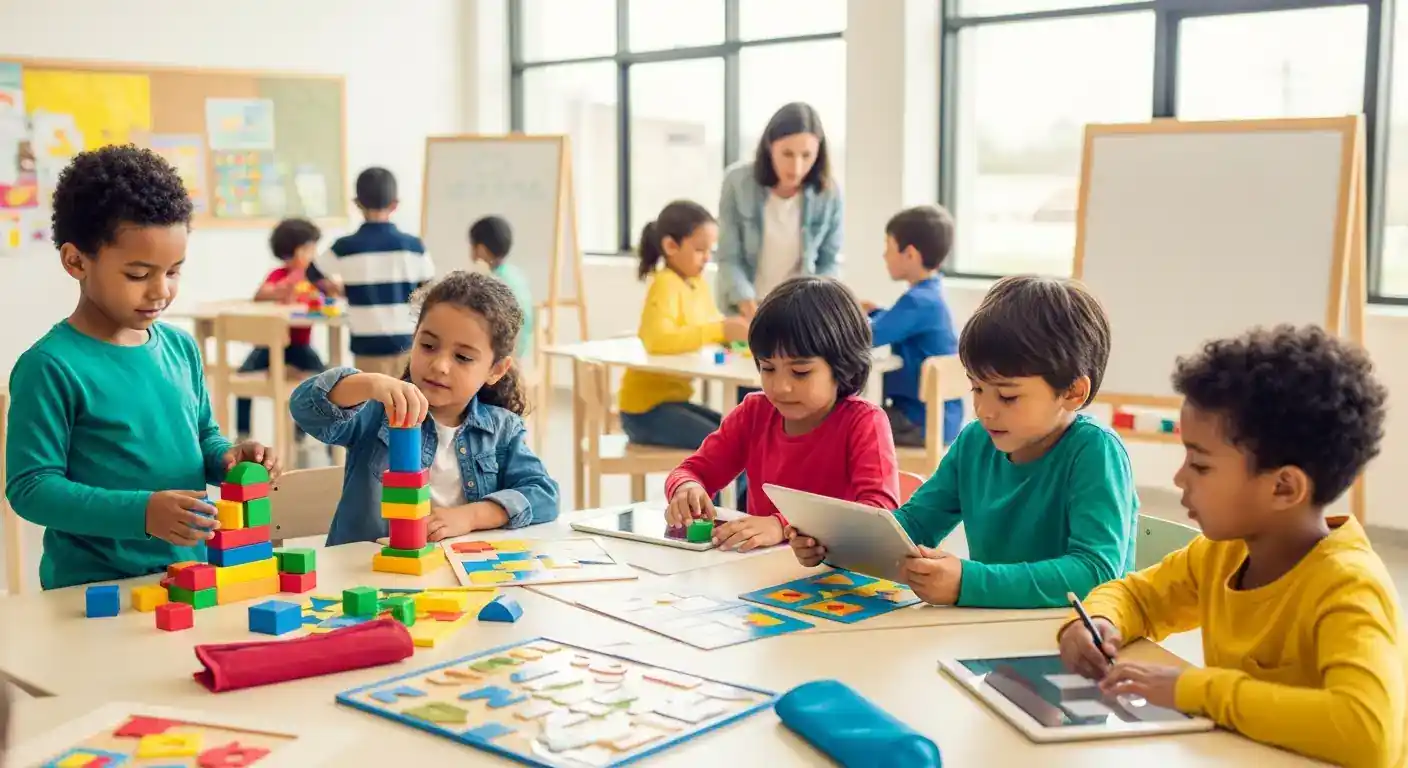
Fostering Connection: An Overview of Social Skills Development for Autistic Children
Navigating the social world can be a complex journey for anyone, but it presents unique challenges for autistic children. Social skills development for autistic children is not about changing who they are, but rather providing them with the tools and understanding to connect with others in meaningful ways. This guide offers practical activities and expert tips to support your child's growth in social interactions, fostering confidence and a sense of belonging. We aim to empower families with strategies that are both effective and respectful of each child's individual pace and preferences.
Key Points for Social Skills Development
- Early Intervention Matters: Starting support early can significantly impact long-term social outcomes.
- Individualized Approach: Every autistic child is unique; tailor strategies to their specific needs and interests.
- Play-Based Learning: Incorporate social learning into fun, engaging activities.
- Consistency is Key: Regular practice in various settings reinforces learned skills.
- Positive Reinforcement: Celebrate small victories to build confidence and motivation.
Understanding the Landscape of Social Skills Challenges in Autistic Children
Autism Spectrum Disorder (ASD) often impacts how individuals perceive and respond to social cues, leading to difficulties in areas like reciprocal conversation, understanding non-verbal communication, and forming friendships. These challenges are not due to a lack of desire for social connection, but rather differences in processing social information. Recognizing these specific areas is the first step toward effective social skills development for autistic children. It's crucial to approach these challenges with empathy and a focus on building strengths.
Common Areas Requiring Social Skills Support
- Initiating and Maintaining Conversations: This includes knowing when and how to start a chat, taking turns, and staying on topic.
- Non-Verbal Communication: Understanding and using eye contact, facial expressions, body language, and gestures.
- Perspective-Taking: Grasping that others have different thoughts, feelings, and experiences.
- Emotional Regulation: Managing one's own emotions and responding appropriately to others' emotions.
- Play Skills: Engaging in cooperative play, sharing, turn-taking, and imaginative play.
Practical Activities for Enhancing Social Skills
Engaging activities are at the heart of successful social skills development for autistic children. These should be structured, predictable, and, most importantly, enjoyable for the child. The goal is to create low-pressure environments where social interactions can be practiced and generalized.
Structured Play and Group Activities
- Board Games and Card Games: Games like "Candyland," "Uno," or "Connect Four" naturally encourage turn-taking, following rules, and handling winning or losing. Focus on the process, not just the outcome.
- Role-Playing Scenarios: Practice common social situations such as greeting someone, asking for help, or sharing a toy. Use puppets or action figures to make it more engaging. This helps children rehearse responses in a safe environment.
- Social Stories: Developed by Carol Gray, Social Stories are short, personalized narratives that describe a social situation, explain relevant cues, and suggest appropriate responses. They can be incredibly effective for preparing children for new social events or understanding complex interactions.
- Cooperative Building Tasks: Activities like building a LEGO castle together or completing a puzzle require communication, negotiation, and shared goals. Emphasize teamwork and shared success.
Developing Non-Verbal Communication
- Emotion Charades: Act out different emotions (happy, sad, angry, surprised) and have your child guess the feeling. Then, encourage them to act out emotions themselves. This builds a vocabulary of emotional expressions.
- Mirroring Games: Stand facing your child and take turns mirroring each other's actions and expressions. This helps with body awareness and understanding how movements convey meaning.
- "Guess the Feeling" from Pictures: Use flashcards or pictures of people displaying various emotions and discuss what might be happening and how the person feels. This can be a great way to develop empathy.
Cultivating Conversation Skills
- "Question and Answer" Games: Use simple prompts to encourage back-and-forth conversation. Start with "What's your favorite..." or "Tell me about..." and model asking follow-up questions.
- Topic Boards: For children who struggle with initiating topics, create a visual board with pictures or words representing preferred conversation starters (e.g., "pets," "school," "hobbies").
- Video Modeling: Watching short videos of appropriate social interactions and then discussing them can be a powerful learning tool. This provides a visual example of desired behaviors.
Expert Tips for Parents and Caregivers
Beyond specific activities, a supportive and understanding environment is paramount for social skills development for autistic children. These tips draw on current research and clinical experience to provide a holistic approach.
Creating a Supportive Environment
- Be a Social Coach: Narrate social situations as they happen. "Look, Sarah is smiling, she must be happy to see you!" or "It looks like John is busy, maybe we can ask him later." This helps connect actions with intentions.
- Model Appropriate Behavior: Children learn by observing. Demonstrate good social skills in your own interactions.
- Provide Clear and Concrete Instructions: Avoid abstract language. Instead of "be nice," say "share your toy with your friend" or "use a quiet voice."
- Prepare for Social Situations: Before going to a party or playdate, discuss what will happen, who will be there, and what expected behaviors are. This reduces anxiety and increases the likelihood of success.
- Respect Sensory Needs: Overstimulating environments can hinder social engagement. Be mindful of noise, lighting, and crowds, and provide opportunities for breaks if needed.
Leveraging Professional Support and Resources
- Collaborate with Therapists: Occupational therapists, speech-language pathologists, and behavioral therapists often specialize in social skills training. Their expertise can provide individualized strategies and support. For example, a recent study published in the Journal of Autism and Developmental Disorders (2024) highlighted the efficacy of integrated social communication interventions.
- Join Social Skills Groups: Many communities offer structured groups led by professionals where children can practice skills with peers in a supervised setting. These groups often use evidence-based curricula.
- Consult with Educators: Teachers can offer insights into your child's social interactions at school and help implement consistent strategies across environments. A report by the National Autistic Society (2023) emphasized the importance of a coordinated approach between home and school.
- Explore Peer Mentoring Programs: Some programs pair autistic children with neurotypical peers who can model social behaviors and provide naturalistic social opportunities.
Differentiated Value: Beyond the Basics
Many resources cover basic social skills, but we emphasize two critical aspects often overlooked:
- Focus on Reciprocity, Not Just Compliance: Instead of merely teaching a child to respond "correctly," we advocate for fostering genuine, reciprocal interaction. This means teaching them to initiate social overtures, express their own interests, and negotiate shared play, rather than just following instructions. This empowers them to be active participants in social exchanges.
- Emphasize Autistic Strengths in Social Contexts: Autistic individuals often possess unique strengths like deep focus, attention to detail, and loyalty. Frame social skills development to leverage these strengths. For instance, a child with a special interest can be encouraged to share their knowledge, finding peers who appreciate their expertise, thus building connections around shared passions. This approach, supported by research from the Autism Research Institute (2025), shifts the narrative from deficits to capabilities.
Frequently Asked Questions About Social Skills Development
Q1: How long does it take for an autistic child to develop social skills?
A1: The timeline for social skills development varies greatly for each autistic child. It's a continuous process, not a destination. Some children show rapid progress with consistent intervention, while others may take longer. The key is patience, persistence, and celebrating small, incremental improvements. Focus on gradual growth and adapting strategies as your child evolves.
Q2: What if my child resists social skills activities?
A2: Resistance often indicates that the activity might be too challenging, not engaging enough, or overwhelming. Try breaking tasks into smaller steps, incorporating your child's special interests, or making the activity more play-based. Observe their cues for sensory overload or anxiety, and always prioritize their comfort and willingness to participate.
Q3: How can I help my child make friends?
A3: Facilitate opportunities for your child to interact with peers who share similar interests. Start with one-on-one playdates in a familiar, low-pressure environment. Coach them on initiating interactions and maintaining play. Teach them how to be a good friend by sharing, taking turns, and offering compliments. Remember, quality over quantity in friendships.
Q4: Should I push my child to make eye contact?
A4: Many autistic individuals find direct eye contact uncomfortable or even painful. While understanding the importance of eye contact in neurotypical communication, it's more beneficial to focus on joint attention – sharing focus on an object or activity – and understanding non-verbal cues. Prioritize genuine connection and comfort over forcing a specific behavior.
Conclusion: Empowering Social Connections
Social skills development for autistic children is a journey of understanding, patience, and celebration. By implementing structured activities, providing consistent support, and leveraging professional guidance, families can equip their children with the tools to navigate social interactions with greater confidence and joy. Remember that every small step forward is a significant achievement, contributing to a richer, more connected life.
We encourage you to share your experiences and tips in the comments below. Your insights can help other families on similar paths. For further reading, explore articles on fostering communication skills or understanding sensory processing differences in autistic children.
Timeliness and Future Expansion
This guide reflects current best practices as of its publication date, 2026-02-01. The field of autism research is constantly evolving, and we recommend reviewing information periodically for updates.
Expandable Related Subtopics:
- Integrating Technology for Social Learning: Apps and Digital Tools.
- Supporting Autistic Teenagers in Navigating Complex Social Dynamics.
- Advocacy and Inclusion: Creating Socially Accepting Environments in Schools and Communities.