Positive Behavior Support: Strategies for Home and School Success
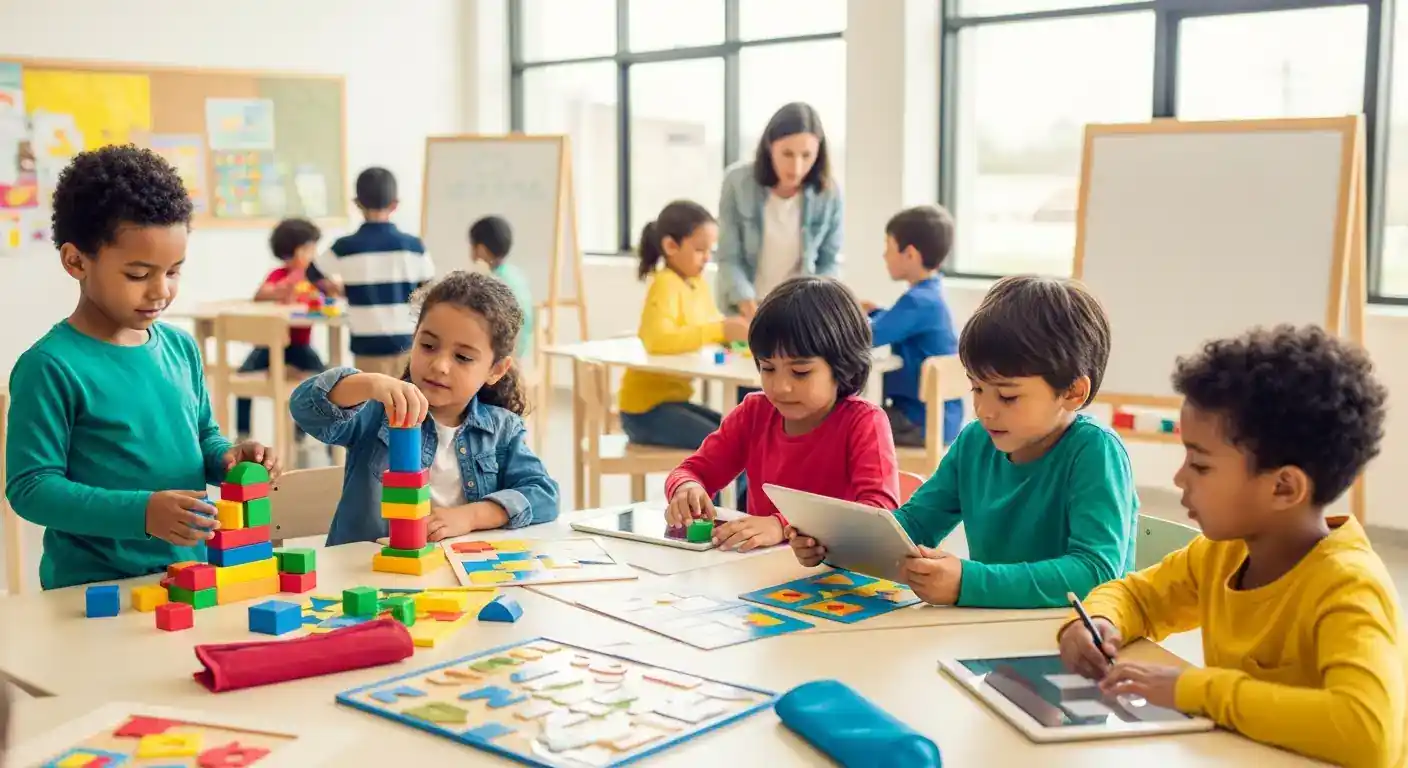
Positive Behavior Support (PBS) is a proactive and effective approach designed to understand and address challenging behaviors while promoting positive ones. It’s not about punishment, but about teaching, reinforcing, and creating environments where desired behaviors can flourish. By implementing consistent strategies across different settings, we can significantly improve the well-being and success of individuals, particularly children, in both their home and school lives. This comprehensive guide will explore key PBS principles and actionable strategies to foster a more supportive and productive environment for everyone.
Key Points:
- Proactive Approach: Focuses on preventing challenging behaviors before they occur.
- Teaching Skills: Emphasizes instruction in alternative, positive behaviors.
- Environmental Modifications: Adapts surroundings to reduce triggers for challenging behavior.
- Consistency: Ensures strategies are applied uniformly at home and school.
- Collaboration: Encourages partnership between parents, educators, and support staff.
Understanding Positive Behavior Support (PBS)
At its core, Positive Behavior Support shifts the focus from reacting to negative behaviors to proactively shaping positive ones. This approach is grounded in the understanding that all behavior serves a function, often to communicate a need or obtain a desired outcome. PBS aims to identify these functions and teach individuals more appropriate ways to meet their needs. It’s a data-driven process that involves observing behavior, hypothesizing its purpose, and developing interventions based on that understanding.
This philosophy extends beyond merely managing behavior; it seeks to improve the overall quality of life for the individual. By building skills, fostering positive relationships, and creating supportive environments, PBS empowers individuals to thrive. The effectiveness of PBS is significantly amplified when strategies are aligned and consistently applied across different environments. This means parents and educators must work together, sharing information and implementing similar approaches at home and in school.
Differentiated Value: Integrating Latest Research on Neuroplasticity
Recent research in neuroplasticity highlights how the brain can change and adapt throughout life. This offers a powerful lens for understanding PBS. It suggests that by consistently providing positive reinforcement and teaching new skills, we are literally helping to rewire the brain. This understanding moves PBS beyond simple behavioral modification to a more profound, brain-based approach. For instance, learning to self-regulate emotions or communicate needs effectively can lead to lasting changes in neural pathways, making positive behaviors more automatic over time. This scientific backing adds a layer of evidence-based efficacy to PBS interventions.
Core Principles of Positive Behavior Support
Several fundamental principles underpin the successful implementation of PBS. Understanding these tenets is crucial for developing effective strategies that resonate with individuals and lead to lasting positive change. These principles guide the entire process, from initial assessment to ongoing intervention.
1. Proactive and Preventative
The most effective behavior support is proactive, focusing on preventing challenging behaviors before they emerge. This involves understanding the triggers or antecedents that often precede a behavior and modifying the environment or providing supports to prevent those triggers from leading to the unwanted action. Instead of waiting for a child to act out, PBS encourages educators and parents to anticipate potential difficulties and put preventative measures in place.
2. Function-Based Interventions
Every behavior, whether positive or challenging, serves a purpose. PBS emphasizes identifying the function of a behavior. Does it help the individual gain attention, escape a task, access something tangible, or get sensory input? Once the function is understood, interventions can be designed to teach more appropriate ways to meet that same underlying need. This is far more effective than simply trying to stop the behavior without addressing its root cause.
3. Skill Building and Teaching
Challenging behaviors often arise from a lack of skills. PBS is fundamentally about teaching desired behaviors and the skills needed to perform them. This can include social skills, communication skills, self-regulation strategies, and academic skills. The focus is on explicitly instructing, modeling, and practicing these new behaviors until they become functional alternatives to challenging ones.
4. Data-Driven Decision Making
PBS relies on collecting and analyzing data about behavior. This includes observing behaviors, noting when and where they occur, what happens before and after, and the intensity and frequency of the behavior. This data helps to accurately identify the function of the behavior and to track the effectiveness of interventions, allowing for adjustments as needed.
5. Person-Centered and Individualized
Effective PBS plans are tailored to the individual. What works for one person may not work for another. Strategies are developed based on the unique strengths, needs, preferences, and environment of the individual. This personalization ensures that interventions are relevant and more likely to be accepted and maintained.
Positive Behavior Support Strategies for Home
Creating a supportive home environment is foundational for a child's development and well-being. PBS strategies at home focus on building positive relationships, teaching essential life skills, and structuring routines to foster independence and cooperation.
Establishing Clear Expectations and Routines
Children thrive on predictability. Establishing clear expectations for behavior and consistent daily routines can significantly reduce anxiety and the likelihood of challenging behaviors.
- Visual Schedules: Use picture schedules to outline daily activities, helping children understand what comes next and feel more in control.
- Consistent Rules: Develop a few simple, positively stated family rules (e.g., "Use gentle hands" instead of "Don't hit").
- Predictable Mealtimes and Bedtimes: Consistent routines around meals and sleep are crucial for emotional regulation.
Positive Reinforcement
This is a cornerstone of PBS. It involves increasing the likelihood of a behavior by providing a desirable consequence immediately after the behavior occurs.
- Specific Praise: Instead of a general "good job," use phrases like "I love how you shared your toys with your sister."
- Token Economies: For older children, a system where they earn tokens for desired behaviors that can be exchanged for rewards can be highly motivating.
- Non-Tangible Rewards: Smiles, hugs, extra playtime, or a special privilege can be powerful reinforcers.
Teaching Replacement Behaviors
When challenging behaviors occur, it's an opportunity to teach a more appropriate way to communicate or get needs met.
- Communication Skills: If a child yells to get attention, teach them to say "Excuse me" or tap your arm.
- Coping Strategies: For frustration, teach deep breathing exercises or how to ask for a break.
- Social Skills Practice: Role-play scenarios like asking to join a game or sharing.
Environmental Modifications
Sometimes, the environment itself can be a trigger for challenging behaviors. Simple adjustments can make a big difference.
- Organized Spaces: Keeping play areas and rooms tidy can reduce overstimulation.
- Sensory Considerations: Providing a quiet space or sensory tools (like fidget toys) if a child is easily overstimulated.
- Reducing Demands: Breaking down tasks into smaller, manageable steps to prevent frustration.
Positive Behavior Support Strategies for School
Schools are complex social environments where children learn academic and social skills. PBS in schools aims to create a positive learning atmosphere, support students with diverse needs, and foster a sense of community.
Creating a Positive Classroom Climate
A supportive classroom culture is essential. This involves building positive relationships between students and teachers, and among students themselves.
- Morning Meetings: Start the day with activities that build community and allow students to share feelings.
- Classroom Jobs: Assigning responsibilities can foster a sense of ownership and contribution.
- Positive Language: Use encouraging words and frame challenges as opportunities for growth.
Explicit Instruction of Social-Emotional Skills
Schools are ideal places to formally teach skills like empathy, self-control, problem-solving, and conflict resolution.
- Social Skills Groups: Dedicated time for direct instruction and practice of specific social skills.
- Literature-Based Instruction: Using stories and scenarios to discuss emotions and social dilemmas.
- Restorative Practices: Focusing on repairing harm and fostering understanding after conflicts.
Behavior Intervention Plans (BIPs)
For students with significant challenges, a formal BIP is developed based on a Functional Behavior Assessment (FBA). This plan outlines specific strategies, including:
- Antecedent Interventions: Strategies to prevent the behavior (e.g., providing choices, pre-correcting).
- Teaching Strategies: Explicitly teaching replacement behaviors and coping skills.
- Consequence Strategies: How to respond to both the challenging behavior and the replacement behavior consistently.
- Data Collection: Ongoing monitoring of the behavior and intervention effectiveness.
Universal Behavior Support (School-Wide PBS)
Many schools implement a school-wide PBS framework, meaning positive behavior expectations are taught and reinforced across all areas of the school. This creates a consistent and predictable environment for all students.
- Clearly Defined Expectations: Typically 3-5 school-wide rules (e.g., Be Respectful, Be Responsible, Be Safe).
- Consistent Reinforcement: A system for acknowledging and rewarding students who meet these expectations.
- Data Systems: Tracking behavior incidents to identify trends and areas for improvement.
Differentiated Value: The Role of Technology and Data Analytics
Modern PBS is increasingly leveraging technology. Digital platforms can streamline data collection, analysis, and communication between home and school. For instance, apps can help track behavior logs, share progress updates instantly, and even provide access to educational resources. Furthermore, sophisticated data analytics can identify patterns in student behavior across a school or district, allowing for more targeted interventions and resource allocation. This data-driven precision allows for more efficient and effective support.
Collaboration: The Key to Success
The most impactful PBS occurs when there is strong collaboration between parents, teachers, school administrators, and any other support professionals involved. Open communication and a shared understanding of the individual's needs and the intervention strategies are paramount.
- Regular Communication: Scheduled meetings or consistent email/note exchanges can keep everyone informed.
- Shared Goals: Working together to define common objectives for the individual.
- Mutual Respect: Recognizing and valuing the expertise and contributions of each party.
A 2024 study published in the Journal of Applied Behavior Analysis highlighted that interventions implemented with high fidelity across home and school settings showed a significantly greater impact on reducing challenging behaviors and increasing functional communication skills in young children with developmental disabilities compared to those with inconsistent implementation.
Frequently Asked Questions about Positive Behavior Support
Q1: What is the main goal of Positive Behavior Support? The primary goal is to understand the function of challenging behaviors and teach positive, alternative ways to meet those needs. It focuses on proactive strategies to prevent issues and improve overall quality of life, rather than solely reacting to misbehavior.
Q2: How is PBS different from traditional discipline? Unlike traditional discipline which often focuses on punishment, PBS is a proactive and teaching-oriented approach. It emphasizes skill-building, environmental modifications, and understanding the 'why' behind behavior to foster positive change.
Q3: Can PBS strategies be used for adults? Absolutely. While often discussed in relation to children, the principles of PBS are universally applicable for individuals of all ages. They are used in settings like workplaces, supported living facilities, and community programs to promote independence and positive interactions.
Q4: What if a child doesn't respond to PBS strategies? If strategies aren't yielding the desired results, it usually indicates a need to re-evaluate the Functional Behavior Assessment (FBA) and the intervention plan. The function of the behavior might be misunderstood, or the strategies may need to be adjusted or taught more effectively.
Conclusion: Building a Foundation for Lifelong Success
Positive Behavior Support offers a powerful, compassionate, and evidence-based framework for nurturing positive behaviors and fostering success in both academic and personal lives. By embracing proactive strategies, understanding the function of behavior, teaching essential skills, and ensuring consistent application across home and school, we create environments where individuals can truly thrive. The journey of implementing PBS is ongoing, requiring patience, consistency, and a collaborative spirit.
We encourage you to share your experiences with positive behavior support in the comments below. What strategies have you found most effective at home or school? Your insights can help others on their PBS journey.
Further Reading and Exploration:
- For more on teaching specific social skills, readers can explore resources on social-emotional learning curricula.
- Understanding the impact of environment on behavior can lead to further exploration of environmental psychology.
- To delve deeper into teaching communication skills, consider resources on Augmentative and Alternative Communication (AAC).