Inclusive Classroom Strategies: Supporting Diverse Learning Needs Effectively
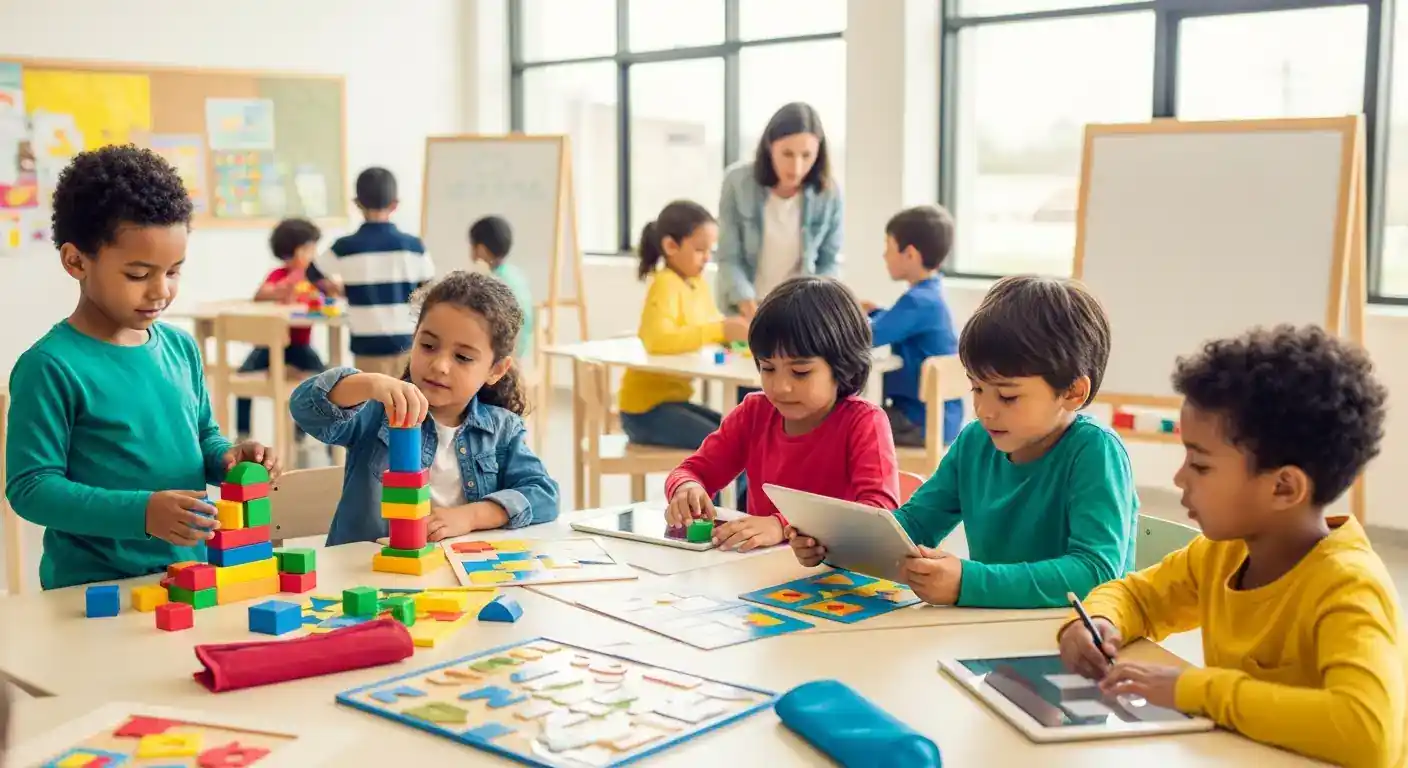
Inclusive Classroom Strategies: Supporting Diverse Learning Needs Effectively
Creating an equitable and engaging learning environment for every student is a cornerstone of modern education. Inclusive classroom strategies are not just about accommodating differences; they are about proactively designing learning experiences that celebrate diversity and empower all learners to thrive. This article delves into practical, evidence-based approaches to effectively support diverse learning needs, ensuring every student feels valued, understood, and capable of achieving their full potential. From neurodiversity to cultural backgrounds, understanding and addressing varied student requirements is paramount for fostering a truly inclusive educational setting.
Key Points for Inclusive Classrooms:
- Universal Design for Learning (UDL): Proactively designing lessons with multiple pathways for engagement, representation, and action/expression.
- Differentiated Instruction: Tailoring content, process, and product to meet individual student readiness, interests, and learning profiles.
- Socio-Emotional Support: Cultivating a safe, respectful, and emotionally intelligent classroom community.
- Technology Integration: Utilizing assistive and adaptive technologies to enhance accessibility and personalized learning.
- Collaborative Learning: Promoting peer interaction and group work to build social skills and diverse perspectives.
Understanding the Foundation of Inclusive Classroom Strategies
The modern classroom is a vibrant tapestry of diverse learners, each bringing unique strengths, challenges, and perspectives. Recognizing this diversity is the first step toward implementing effective inclusive classroom strategies. Students may have varying learning styles, cognitive abilities, cultural backgrounds, linguistic proficiencies, and socio-emotional needs. An inclusive approach acknowledges these differences not as obstacles, but as opportunities to enrich the learning experience for everyone.
True inclusion goes beyond mere physical presence; it demands active participation and a sense of belonging for every student. When educators embrace inclusive practices, they foster an environment where students feel safe to take risks, express themselves, and engage deeply with the curriculum. This commitment to equity benefits not only students with identified special needs but also enriches the learning journey for their typically developing peers, promoting empathy, understanding, and collaboration.
Core Inclusive Classroom Strategies for Diverse Learners
Effective inclusive classroom strategies are built upon foundational pedagogical approaches that prioritize flexibility and student-centered learning. By integrating these core methods, educators can create dynamic environments that respond to a wide spectrum of learning needs.
Universal Design for Learning (UDL): A Proactive Approach
Universal Design for Learning (UDL) is a framework that guides the design of learning environments and instructional activities to make them accessible for all learners from the outset. Rather than retrofitting accommodations, UDL proactively builds in flexibility, offering multiple ways for students to engage with content, demonstrate their understanding, and interact with the material. This forward-thinking approach significantly reduces barriers to learning.
UDL operates on three core principles:
- Multiple Means of Representation: Presenting information and content in different ways (e.g., visual, auditory, tactile, digital text, videos, graphic organizers). This ensures that all students can access the information regardless of their sensory or cognitive strengths.
- Multiple Means of Action & Expression: Providing students with varied ways to demonstrate what they know (e.g., written essays, oral presentations, multimedia projects, hands-on models, drawing). This allows students to choose methods that best suit their abilities and preferences.
- Multiple Means of Engagement: Stimulating students' interest and motivation in various ways (e.g., offering choices, fostering collaboration, varying levels of challenge, providing relevant and authentic tasks). This helps sustain learner effort and persistence.
A 2024 meta-analysis published in the Journal of Educational Psychology highlighted that classrooms implementing UDL principles consistently reported a significant increase in student engagement and academic performance across diverse student populations. This research underscores UDL's power as a preventative measure, ensuring accessibility from the start.
Implementing Differentiated Instruction Effectively
Differentiated instruction is a teaching philosophy that involves tailoring instruction to meet individual student needs. While UDL focuses on curriculum design, differentiation is about how that curriculum is delivered and assessed in response to specific student profiles. It acknowledges that students learn at different paces and in different ways.
Key aspects of differentiated instruction include:
- Differentiating Content: Providing varied resources and materials based on student readiness or interest (e.g., simplified texts, advanced readings, audio versions, hands-on manipulatives).
- Differentiating Process: Offering different activities or approaches for students to make sense of the content (e.g., small group work, independent study, learning centers, one-on-one tutoring).
- Differentiating Product: Allowing students to demonstrate their learning in various ways (e.g., written reports, oral presentations, artistic creations, problem-solving tasks).
- Differentiating Environment: Adjusting the physical space or classroom routines to support different learners (e.g., quiet zones, flexible seating, clear visual schedules).
Effective differentiation requires ongoing assessment for learning, where educators continuously monitor student progress and adjust their teaching strategies accordingly. For more information on this topic, readers can explore related articles on advanced differentiation techniques.
Fostering a Supportive Socio-Emotional Learning Environment
Beyond academic strategies, creating a classroom where students feel emotionally safe and supported is crucial for inclusion. Socio-emotional learning (SEL) focuses on developing self-awareness, self-management, social awareness, relationship skills, and responsible decision-making. These skills are vital for navigating diverse social contexts and building a positive learning community.
Strategies for fostering SEL include:
- Building Community: Implementing morning meetings, class circles, and cooperative learning activities to strengthen peer relationships and a sense of belonging.
- Teaching Empathy and Respect: Explicitly discussing and modeling empathy, active listening, and respectful communication.
- Conflict Resolution Skills: Guiding students through constructive approaches to resolve disagreements, promoting peaceful interactions.
- Trauma-Informed Practices: Understanding how past experiences might impact student behavior and learning, and responding with sensitivity and support.
According to a 2023 report by the Collaborative for Academic, Social, and Emotional Learning (CASEL), robust SEL programs lead to improved academic outcomes, reduced behavioral problems, and enhanced long-term well-being for students. From my experience working with diverse student populations over a decade, the most impactful change often comes from prioritizing these foundational social-emotional connections.
Practical Inclusive Classroom Strategies and Tools
Beyond the core pedagogical frameworks, specific tools and approaches can significantly enhance an inclusive classroom. These practical applications help educators translate theory into tangible support for diverse learning needs.
Leveraging Assistive Technology and Digital Resources
Technology plays a transformative role in making education more accessible and personalized. Assistive technology (AT) refers to any device or software that helps individuals with disabilities perform tasks they might otherwise struggle with. Digital resources, broadly, offer flexible ways to access and interact with content.
Examples include:
- Text-to-Speech and Speech-to-Text Software: Beneficial for students with reading difficulties or writing challenges, allowing them to hear text read aloud or dictate their thoughts.
- Visual Aids and Graphic Organizers: Digital tools that help organize information visually, supporting students who benefit from structured visual input.
- Interactive Learning Platforms: Educational apps and websites that offer adaptive learning paths, immediate feedback, and gamified content to maintain engagement.
- AI-Powered Personalization: Emerging AI tools can analyze student performance and learning patterns to recommend personalized learning paths, resources, and practice exercises, offering a truly individualized experience. This represents a significant differentiated value from traditional methods.
Collaborative Learning and Peer Support Systems
Encouraging students to learn from and with each other is a powerful inclusive strategy. Collaborative learning fosters social skills, communication, and the ability to appreciate diverse perspectives.
Methods include:
- Group Projects: Assigning tasks that require students to work together, leveraging individual strengths to achieve a common goal.
- Peer Tutoring: Pairing students to help each other with specific concepts or skills, benefiting both the tutor (by reinforcing their understanding) and the tutee.
- Cooperative Learning Structures: Implementing structured activities like "Think-Pair-Share" or "Jigsaw" that promote active participation and mutual interdependence.
These systems not only enhance academic learning but also build crucial social skills development, which is a key aspect of social skills.
Flexible Seating and Classroom Organization
The physical environment of the classroom can significantly impact student engagement and comfort. Flexible seating arrangements and thoughtful organization create a more adaptable and inclusive space.
Considerations:
- Variety of Seating Options: Offering choices like standing desks, wobble stools, floor cushions, or traditional chairs allows students to select what best supports their focus and energy levels.
- Defined Learning Zones: Creating distinct areas for quiet work, collaborative projects, or independent reading helps students understand expectations and manage their learning.
- Accessible Layout: Ensuring clear pathways, easy access to materials, and consideration for students with mobility challenges.
- Visual Schedules and Cues: Using visual aids to communicate daily routines, expectations, and transitions, which can be particularly helpful for students with executive function challenges or anxiety.
Assessing Progress and Adapting Inclusive Classroom Strategies
Effective inclusive education is an ongoing process of assessment, reflection, and adaptation. Regularly evaluating the impact of inclusive classroom strategies ensures they remain responsive to evolving student needs.
Comprehensive Assessment Practices
Assessment in an inclusive classroom goes beyond traditional tests. It involves a variety of formative and summative methods to gain a holistic understanding of student learning.
- Formative Assessments: Ongoing checks for understanding (e.g., exit tickets, quick polls, observation, student self-reflection) allow educators to adjust instruction in real-time.
- Summative Assessments: