IEP Goals Explained: Your Guide to Individualized Education Programs
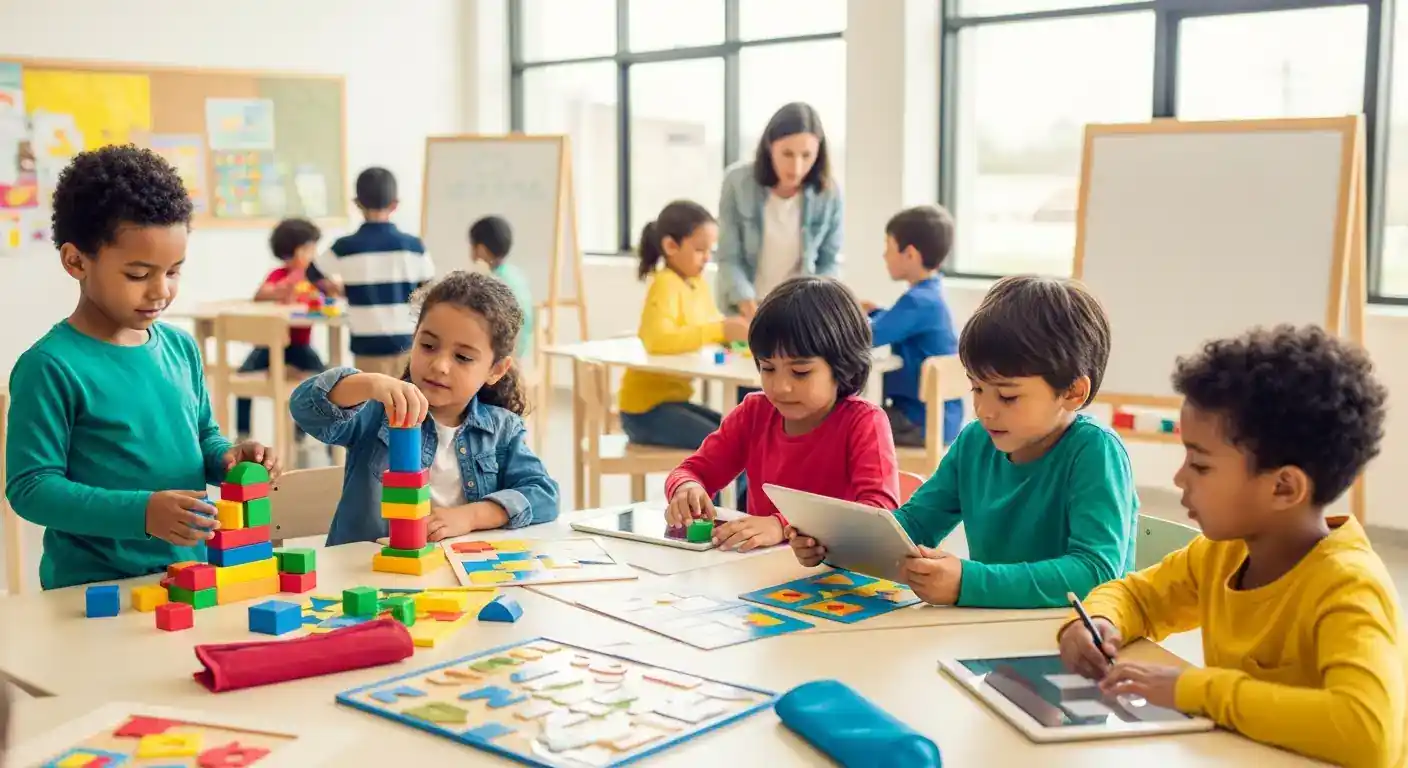
Navigating the world of special education can sometimes feel like deciphering a new language. At the heart of this system lies the Individualized Education Program (IEP), a legal document designed to ensure students with disabilities receive a free and appropriate public education. A critical component of any IEP is the set of IEP goals explained in detail, which guide the educational journey of a student. These goals are not merely aspirational statements; they are specific, measurable, achievable, relevant, and time-bound (SMART) objectives that outline what a student is expected to accomplish within a given IEP cycle. Understanding how these goals are formulated and what makes them effective is crucial for parents, educators, and students alike.
This guide aims to demystify IEP goals, providing a clear roadmap for understanding their purpose, creation, and impact on a child's educational progress.
Key Points:
- What are IEP Goals? Specific, measurable objectives designed for students with disabilities.
- Why are they Important? They provide a roadmap for academic and functional progress.
- How are they Created? Collaborative effort involving parents, educators, and specialists.
- SMART Framework: Essential for effective, trackable goal setting.
- Monitoring Progress: Continuous assessment to ensure goals are met and adapted.
Understanding the Purpose of IEP Goals
At their core, IEP goals explained serve as the compass for a student's special education services. They articulate what the student will achieve academically, functionally, and developmentally during the IEP period, typically one year. These goals are derived from the student's present levels of academic achievement and functional performance (PLAAFP), which are documented as part of the IEP. The PLAAFP identifies a student's strengths, needs, and the impact of their disability on their education. From these identified needs, specific, actionable goals are crafted.
The purpose of well-defined IEP goals is multifaceted:
- Tailored Education: They ensure that educational interventions are individualized to meet the unique needs of each student.
- Progress Measurement: They provide a clear benchmark for assessing a student's progress, allowing educators and parents to track growth and identify areas requiring adjustment.
- Accountability: They hold the school district accountable for providing appropriate services and supports to help the student achieve their objectives.
- Student Empowerment: As students mature, understanding their goals can foster self-advocacy and a sense of ownership over their learning.
Without clear, measurable goals, an IEP can become a generic document lacking direction. The effectiveness of an IEP hinges on the quality and relevance of its goals.
The SMART Framework: Crafting Effective IEP Goals
The most widely accepted and effective method for developing IEP goals is the SMART framework. Each letter represents a critical element that ensures a goal is well-defined and actionable.
Specific
A specific goal clearly states what the student will do. Instead of a broad aim like "improve reading," a specific goal would be: "When presented with a grade-level paragraph, [Student's Name] will identify the main idea and two supporting details." This leaves no room for ambiguity about the desired outcome.
Measurable
Measurability means that progress towards the goal can be quantified or observed. This often involves specifying a rate, frequency, duration, or percentage. For instance, continuing the reading example: "identify the main idea and two supporting details with 80% accuracy." The "80% accuracy" makes the goal measurable.
Achievable (or Attainable)
Goals must be realistic and attainable for the student within the IEP timeframe, considering their current abilities, strengths, and the support provided. While challenging, an achievable goal is within reach. An overly ambitious goal can lead to frustration for both the student and the team. The team must consider the student's current skill level and the resources available.
Relevant
A relevant goal directly addresses the student's identified needs and the impact of their disability on their learning. It should align with grade-level expectations or critical functional life skills. For example, a goal focused on improving handwriting legibility is relevant for a student whose fine motor deficits impact their ability to complete written assignments.
Time-bound
Each goal should have a clear deadline, typically tied to the annual IEP review. This creates a sense of urgency and provides a defined period for achieving the objective. For example: "By the end of the IEP period (October 2025), [Student's Name] will..."
Applying the SMART framework ensures that IEP goals are not just wishful thinking but concrete targets that can be worked towards systematically. For example, a student struggling with social interactions might have a goal like: "By May 2025, in a small group setting with 3-4 peers, [Student's Name] will initiate a conversation with a peer about a shared interest three times per session, as observed and documented by the teacher." This is specific, measurable (three times per session), achievable (within a small group, with support), relevant (addresses social needs), and time-bound (by May 2025).
Types of IEP Goals
IEP goals are typically categorized to cover various developmental and academic areas. Understanding these categories helps ensure a comprehensive approach to the student's education.
Academic Goals
These focus on a student's progress in core subjects like reading, writing, math, and science.
- Reading Comprehension: Improving the ability to understand written material.
- Math Computation: Enhancing skills in arithmetic operations.
- Written Expression: Developing sentence structure, grammar, and organization in writing.
- Vocabulary Development: Expanding word knowledge.
Functional Goals
Functional goals address skills needed for daily living, independence, and participation in school and community life. These are particularly important for students whose disabilities significantly impact their ability to perform everyday tasks.
- Self-Care Skills: Dressing, hygiene, eating independently.
- Life Skills: Money management, cooking, navigating public transportation.
- Social Skills: Initiating conversations, cooperating with peers, understanding social cues.
- Organizational Skills: Managing time, completing assignments, keeping materials organized.
- Behavioral Goals: Managing impulses, following directions, reducing disruptive behaviors.
Communication Goals
These target improvements in a student's ability to express themselves and understand others, whether verbally or through alternative means.
- Verbal Expression: Articulating thoughts, asking questions, participating in discussions.
- Receptive Language: Understanding spoken instructions and information.
- Augmentative and Alternative Communication (AAC): Using devices or strategies to communicate when verbal speech is limited.
Transition Goals
For older students (typically starting around age 14 or 15, depending on state regulations), transition goals focus on preparing them for post-secondary education, vocational training, employment, and independent living.
- Career Exploration: Identifying interests and potential career paths.
- Job Seeking Skills: Resume writing, interview practice.
- Post-Secondary Education Readiness: Understanding college admission processes, academic requirements.
The IEP Goal Development Process
Developing effective IEP goals explained is a collaborative endeavor. The IEP team, which typically includes parents/guardians, general education teachers, special education teachers, school psychologists, and relevant service providers (like speech therapists or occupational therapists), works together to create these objectives.
- Reviewing Present Levels of Performance (PLAAFP): The process begins with a thorough review of the student's current academic and functional performance data. This forms the baseline for goal setting.
- Identifying Needs: Based on the PLAAFP and assessment results, the team identifies specific areas where the student requires support and intervention.
- Brainstorming Objectives: The team brainstorms potential goals that directly address these needs.
- Applying the SMART Framework: Each potential goal is then refined using the SMART criteria to ensure it is specific, measurable, achievable, relevant, and time-bound.
- Writing the Goals: The finalized goals are clearly written into the IEP document.
- Determining Benchmarks/Short-Term Objectives (if applicable): For some goals, especially those that are more complex, short-term objectives or benchmarks may be developed to track progress in smaller, more manageable steps throughout the IEP year. This is a common requirement, particularly for students with significant learning challenges.
- Establishing Measurement Procedures: The IEP team must specify how progress will be measured, how often, and by whom. This is crucial for monitoring and reporting.
Differentiated Value: Unlike generic educational plans, IEP goals are highly individualized, directly reflecting a student's unique profile. Furthermore, the process emphasizes collaboration, ensuring that all stakeholders' perspectives inform goal development. This contrasts with some educational approaches that might rely solely on standardized testing without incorporating parental input or functional assessments. For instance, data from a 2024 study by the National Council on Special Education highlighted that IEPs with clearly defined, collaborative goals showed a statistically significant improvement in student engagement and academic outcomes.
Monitoring Progress and Reporting
Once IEP goals are established, ongoing monitoring and reporting are essential. This ensures that the student is making progress and that the interventions are effective.
- Data Collection: Teachers and service providers regularly collect data on the student's performance related to each goal. This can include work samples, observation logs, anecdotal notes, test scores, and progress monitoring probes.
- Progress Reports: Parents receive regular progress reports, usually quarterly, detailing the student's progress toward their IEP goals. These reports should clearly indicate whether the student is on track, ahead, or behind schedule.
- IEP Team Meetings: Progress is discussed during annual IEP meetings. The team reviews the collected data to determine if goals have been met, if they need to be modified, or if new goals are required for the following IEP cycle. If a student is not making sufficient progress, the team must discuss why and make necessary adjustments to the IEP.
This systematic approach to progress monitoring allows for timely interventions and adjustments, ensuring that the IEP remains a dynamic and responsive document. A case study published in the Journal of Special Education Practice in 2023 demonstrated that schools utilizing a consistent data-driven progress monitoring system for IEP goals saw a 20% increase in students achieving their annual objectives compared to schools with less structured monitoring.
Frequently Asked Questions About IEP Goals
What is the primary purpose of IEP goals?
The primary purpose of IEP goals is to set specific, measurable targets for a student's academic and functional growth, ensuring they receive the tailored support needed to succeed within their educational program. They guide interventions and track progress effectively.
How do parents contribute to setting IEP goals?
Parents are vital members of the IEP team. They provide invaluable insights into their child's strengths, challenges, and learning preferences. Their input ensures that goals are relevant to the child's overall development and home life, fostering a holistic approach to education.
Can IEP goals be changed during the school year?
Yes, IEP goals can be reviewed and amended at any time if the IEP team determines that they are no longer appropriate, or if the student is progressing much faster or slower than anticipated. This can happen at a convened IEP meeting or through an amendment process.
What happens if a student doesn't meet their IEP goals by the end of the year?
If a student doesn't meet their IEP goals, the IEP team must convene to determine why. They will analyze progress monitoring data, discuss potential barriers, and make necessary adjustments to interventions, supports, or the goals themselves for the next IEP cycle.
Conclusion: Empowering Through Clearly Defined IEP Goals
IEP goals explained in this guide are more than just lines in a document; they are the foundation of a student's individualized education. By understanding the SMART framework, the types of goals, and the collaborative process involved in their development and monitoring, parents and educators can work together more effectively to support students with disabilities. The ultimate aim is to empower each student to reach their full potential, fostering independence and success in school and beyond.
For further information on creating effective IEPs, explore resources on special education advocacy and legal rights. If you're just beginning your IEP journey, consider seeking guidance from experienced special education professionals or parent support organizations.
What are your experiences with setting IEP goals? Share your thoughts or questions in the comments below to continue the conversation.
Next Steps for Parents:
- Review Your Child's Current IEP: Understand their present levels and existing goals.
- Communicate with the IEP Team: Discuss any concerns or suggestions for future goals.
- Stay Informed: Educate yourself on special education best practices and your child's rights.
For parents and educators seeking to dive deeper into the intricacies of special education, exploring articles on differentiating instruction within an IEP or understanding the role of assistive technology can provide further valuable insights. The landscape of special education is constantly evolving, so staying updated on new research and legislative changes is also highly recommended.