Identifying Twice-Exceptional (2e) Children: Uncovering Giftedness with Learning Disabilities
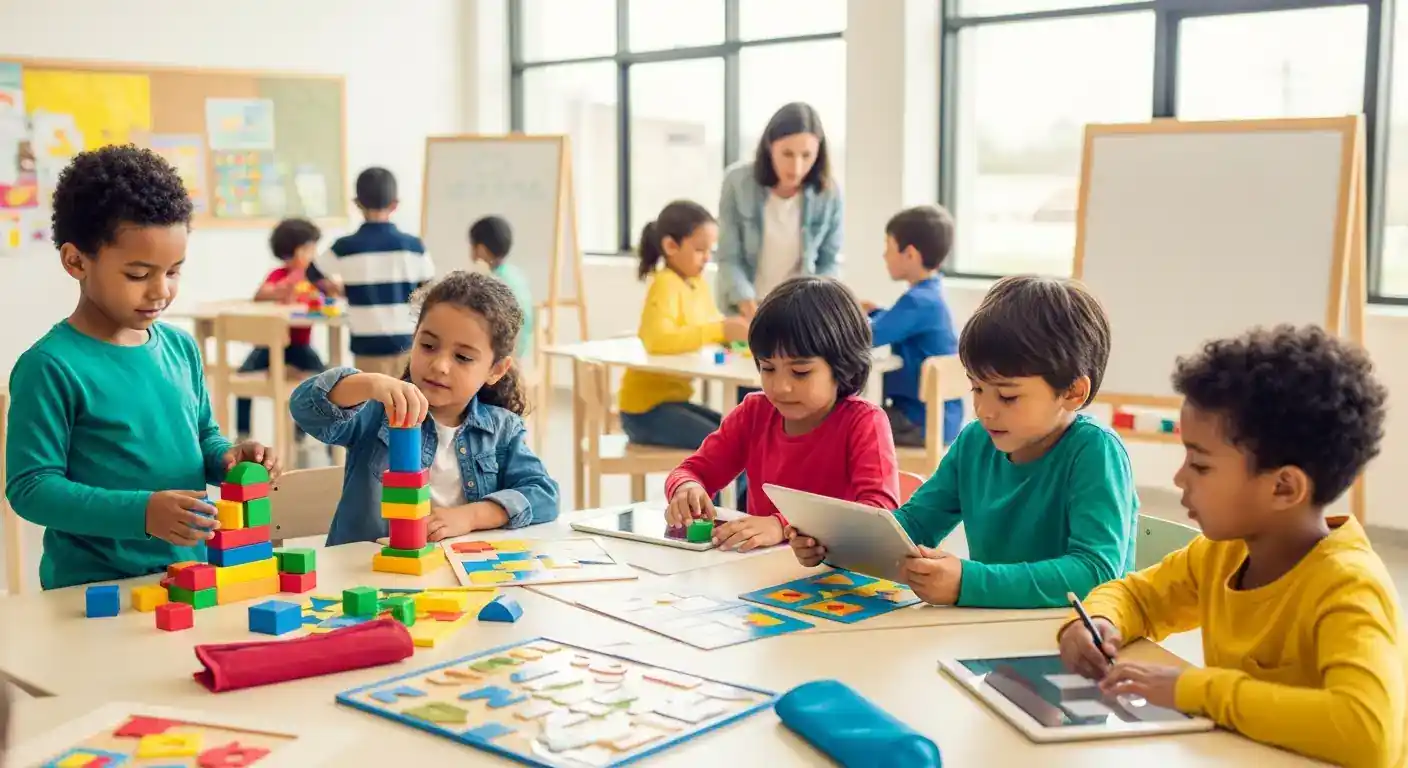
Understanding and supporting every child's unique needs is paramount in today's educational landscape. Among the diverse student population, Twice-Exceptional (2e) children represent a particularly complex and often misunderstood group. These are individuals who possess both giftedness and one or more learning disabilities or neurodevelopmental disorders. The challenge lies in the fact that their exceptional abilities can mask their struggles, or conversely, their learning difficulties can obscure their remarkable talents. Effectively identifying Twice-Exceptional (2e) children is crucial for providing tailored support that fosters their potential and addresses their challenges simultaneously.
This comprehensive guide aims to illuminate the characteristics, assessment processes, and supportive strategies for 2e learners. We will delve into how to recognize the subtle signs of these unique children, offering insights for parents, educators, and caregivers alike. Our goal is to empower you with the knowledge to advocate for these bright but sometimes struggling individuals, ensuring they receive the understanding and resources they deserve to thrive.
Key Points for Identifying Twice-Exceptional (2e) Children:
- Asynchronous Development: Gifted abilities often develop unevenly with learning challenges.
- Masking Effect: Strengths can hide weaknesses, and weaknesses can overshadow strengths.
- Behavioral Indicators: Frustration, perfectionism, disengagement, or emotional intensity may be present.
- Comprehensive Assessment: Requires multi-faceted evaluation beyond standard tests.
- Holistic Support: Focus on nurturing strengths while accommodating learning disabilities.
Understanding Twice-Exceptionality: What are 2e Children?
Twice-exceptional children, often referred to as 2e, are individuals who demonstrate exceptional ability or potential in one or more areas, alongside a diagnosis of a learning disability (LD), ADHD, autism spectrum disorder, or another neurodevelopmental difference. This combination creates a unique profile where their strengths and challenges often interact in complex ways. For instance, a child might excel in mathematics but struggle significantly with written expression, or possess an extraordinary vocabulary but grapple with executive function tasks.
The term "twice-exceptional" captures the dual nature of their educational and developmental needs. Their giftedness means they need advanced, stimulating content, while their learning disability requires specific accommodations and interventions. Without proper identification, 2e children are at risk of underachievement, frustration, and a diminished sense of self-worth. It's a critical area of focus within social skills development, as these children often face unique emotional and social hurdles due to their asynchronous development.
The Unique Challenges of Identifying Twice-Exceptional (2e) Children
Identifying Twice-Exceptional (2e) children presents a significant diagnostic puzzle. The interplay between their high abilities and their learning disabilities often creates a "masking effect." This means that their giftedness can compensate for their learning struggles, making them appear "average," or their learning struggles can be so prominent that their giftedness is overlooked entirely. This dynamic often leads to misdiagnosis or delayed identification, which can have long-term impacts on their academic and emotional well-being.
Consider a child who scores high on IQ tests but consistently fails to turn in homework; their advanced reasoning might compensate for poor organizational skills in class, only for the executive function deficits to manifest as poor academic performance at home. This paradox is a hallmark of the 2e experience. Early identification is crucial, as noted in a recent publication by the University of Connecticut's National Center for Research on Gifted Education (NCRGE) in late 2024, emphasizing proactive screening. Understanding these nuanced presentations is the first step toward effective support.
Key Indicators: Signs of Giftedness with Learning Disabilities
Recognizing the signs of twice-exceptionality requires keen observation and a deep understanding of both gifted characteristics and common learning disability traits. Here are some common indicators that may suggest a child is 2e:
- Advanced Reasoning and Vocabulary: The child may demonstrate sophisticated thinking, problem-solving skills, and a rich vocabulary beyond their age level. They might ask profound questions or show intense interest in specific complex topics. This intellectual curiosity is a strong marker of giftedness.
- Inconsistent Performance: A tell-tale sign is significant variability in academic performance. A child might excel in one subject area, like science or art, but struggle considerably in another, such as reading or writing. This uneven skill development is often a key clue.
- Strong Oral Skills, Weak Written Skills: Many 2e children express themselves articulately and logically when speaking but face immense difficulty transferring those thoughts to paper. This can manifest as struggles with spelling, grammar, organization of written ideas, or a general reluctance to write.
- Heightened Emotional Intensity: 2e children often experience emotions more intensely than their peers. This can lead to perfectionism, frustration, anxiety, or even meltdowns when they feel they are not meeting their own high standards or encountering academic hurdles. Their internal world can be quite tumultuous.
- Discrepancy Between Potential and Achievement: Perhaps the most frustrating sign for both the child and adults is a noticeable gap between what the child seems capable of and what they actually produce. They might grasp complex concepts quickly but struggle with basic tasks due to an underlying learning disability.
- Specific Learning Difficulties: Despite their gifts, they may exhibit clear signs of a learning disability, such as dyslexia (reading difficulties), dysgraphia (writing difficulties), dyscalculia (math difficulties), or challenges with executive functions like organization, planning, and time management.
These indicators, when viewed together, paint a picture of a child who is more than just "smart but lazy" or "struggling." They point towards a profile that requires a specialized approach.
Navigating the Assessment Process for 2e Learners
The process of identifying Twice-Exceptional (2e) children requires a comprehensive, multi-faceted assessment. Standardized tests alone are often insufficient because they might either highlight giftedness while masking a disability, or vice-versa. A thorough evaluation should involve various professionals and methods to get a complete picture.
A psychologist specializing in giftedness and learning disabilities is often the first point of contact. They can conduct cognitive and academic achievement tests designed to identify specific discrepancies. Educational specialists, occupational therapists, and speech-language pathologists may also be involved, depending on the child's suspected areas of difficulty. The goal is to identify both the child's strengths and their specific learning differences. Research published in the "Journal of Pediatric Psychology" in early 2025 advocates for dynamic assessment methods that go beyond static scores to understand a child's learning potential. This holistic approach ensures no piece of the puzzle is missed.
Effective Strategies for Supporting Twice-Exceptional Students
Once 2e identification has occurred, the focus shifts to creating an environment that nurtures their gifts while accommodating their learning disabilities. Effective support strategies are individualized and collaborative, involving parents, educators, and specialists.
Key strategies include:
- Strength-Based Instruction: Tailor learning experiences to leverage the child's natural talents and interests. If they excel in science, use scientific inquiry to teach reading comprehension or writing skills. This approach keeps them engaged and motivated, allowing their strengths to lead their learning.
- Targeted Interventions and Accommodations: Provide specific support for their learning disability. This might include assistive technology, extended time on assignments, preferential seating, or graphic organizers. These accommodations help level the playing field, ensuring their learning disability doesn't impede their ability to demonstrate knowledge.
- Differentiated Curriculum: Offer challenging, complex content in their areas of giftedness while providing scaffolding and support in areas of weakness. This balance ensures they are neither bored nor overwhelmed. A 2023 policy brief from the American Psychological Association (APA) emphasized the need for truly differentiated instruction for neurodivergent learners.
- Developing Social-Emotional Skills: 2e children often face unique emotional challenges. Support them in developing coping strategies for frustration, perfectionism, and anxiety. This may involve counseling, peer groups, or explicit instruction in emotional regulation. Building strong social-emotional development is crucial for their overall well-being.
- Collaborative Approach: Foster strong communication between home and school. Parents, teachers, and specialists must work together to create a consistent and supportive learning environment. This team approach ensures that all aspects of the child's profile are understood and addressed.
- Self-Advocacy Skills: Empower 2e children to understand their own learning profile and advocate for their needs. Teaching them how to explain their strengths and challenges, and what accommodations help them learn best, is a lifelong skill. This fosters independence and resilience.
These strategies collectively contribute to an environment where 2e children can truly flourish, allowing their gifts to shine while effectively managing their learning disabilities. It’s about building a foundation for success and well-being. For more on this, consider reading about supporting neurodivergent learners: strategies for inclusive education.
Differentiated Value: Latest Insights in 2e Support
Recent advancements in understanding neurodiversity have significantly impacted how we approach 2e children. Experts now emphasize the importance of viewing learning differences not as deficits but as variations in cognitive processing. This shift encourages educators and parents to explore multiple pathways for learning and demonstration of knowledge, moving beyond traditional metrics. For example, a 2e child with dysgraphia might excel in verbal presentations or digital projects, which should be equally valued as written essays.
Furthermore, there's growing recognition of the "asynchronous" nature of 2e development, where intellectual, emotional, and physical ages can be significantly out of sync. This often leads to unique social challenges and heightened sensitivity. Latest research, as highlighted by Dr. Susan Baum in a 2024 presentation at the Twice-Exceptionality Conference, suggests that fostering a child's "passion areas" can significantly boost self-esteem and provide a safe space for learning and social connection. This positive psychology approach contrasts with older models that focused primarily on remediation of deficits. Building on this, developing resilience in gifted children is paramount.
Frequently Asked Questions about Identifying Twice-Exceptional Children
What are common misconceptions about 2e children?
A common misconception is that a child cannot be both gifted and have a learning disability; people often assume one cancels out the other. Another myth is that 2e children are simply "lazy" or "unmotivated" because their performance doesn't always match their intelligence. In reality, their struggles are due to genuine processing differences, not a lack of effort.
How early can twice-exceptionality be identified?
While definitive diagnosis often occurs in elementary school, signs of giftedness and potential learning differences can emerge in preschool or early childhood. Early indicators might include advanced language skills alongside fine motor delays, or intense curiosity coupled with difficulty following simple directions. Early observation by parents and educators is key to prompting further evaluation.
What role do parents play in identifying and supporting 2e children?
Parents are often the first to notice discrepancies in their child's development and performance. Their observations are invaluable during the assessment process. Post-diagnosis, parents play a crucial role in advocating for their child's needs, collaborating with schools, and providing emotional support at home. Their involvement is essential for creating a consistent, understanding environment.
What is the difference between 2e and simply "bright underachievers"?
While some bright underachievers may eventually be identified as 2e, the distinction lies in the presence of a formally diagnosed learning disability or neurodevelopmental disorder for 2e children. Underachievers may lack motivation or study skills, but 2e children face specific cognitive processing challenges that impede their ability to learn or perform despite their intellectual capacity.
Conclusion: Empowering Twice-Exceptional Learners
Identifying Twice-Exceptional (2e) children is an intricate but profoundly rewarding endeavor. It requires a nuanced understanding of their complex profile – celebrating their unique gifts while providing compassionate support for their learning challenges. By recognizing the signs, advocating for comprehensive assessments, and implementing tailored strategies, we can empower these remarkable individuals to overcome obstacles and realize their full potential.
The journey of a 2e child is often one of resilience and determination. As parents, educators, and community members, our role is to illuminate their path, ensuring they feel understood, valued, and equipped to thrive. Let's continue to learn, share, and collaborate to build a more inclusive and responsive educational system for all twice-exceptional learners.
Next Steps:
- If you suspect your child might be 2e, consider consulting with a psychologist specializing in giftedness and learning disabilities.
- Connect with parent support groups or online communities dedicated to 2e children for shared experiences and resources.
- Share this article to help spread awareness about the importance of identifying and supporting twice-exceptional learners.
Further Reading Suggestions:
- Understanding Asynchronous Development in Gifted Children: Explore the uneven growth patterns often seen in gifted individuals.
- Effective Communication Strategies for Parents and Educators of Diverse Learners: Learn how to foster collaborative relationships for student success.
- The Intersection of Giftedness and Social-Emotional Well-being: Delve deeper into the unique emotional landscape of gifted and 2e individuals.