Home-Based Early Intervention Activities: Supporting Your Child's Development from Day One
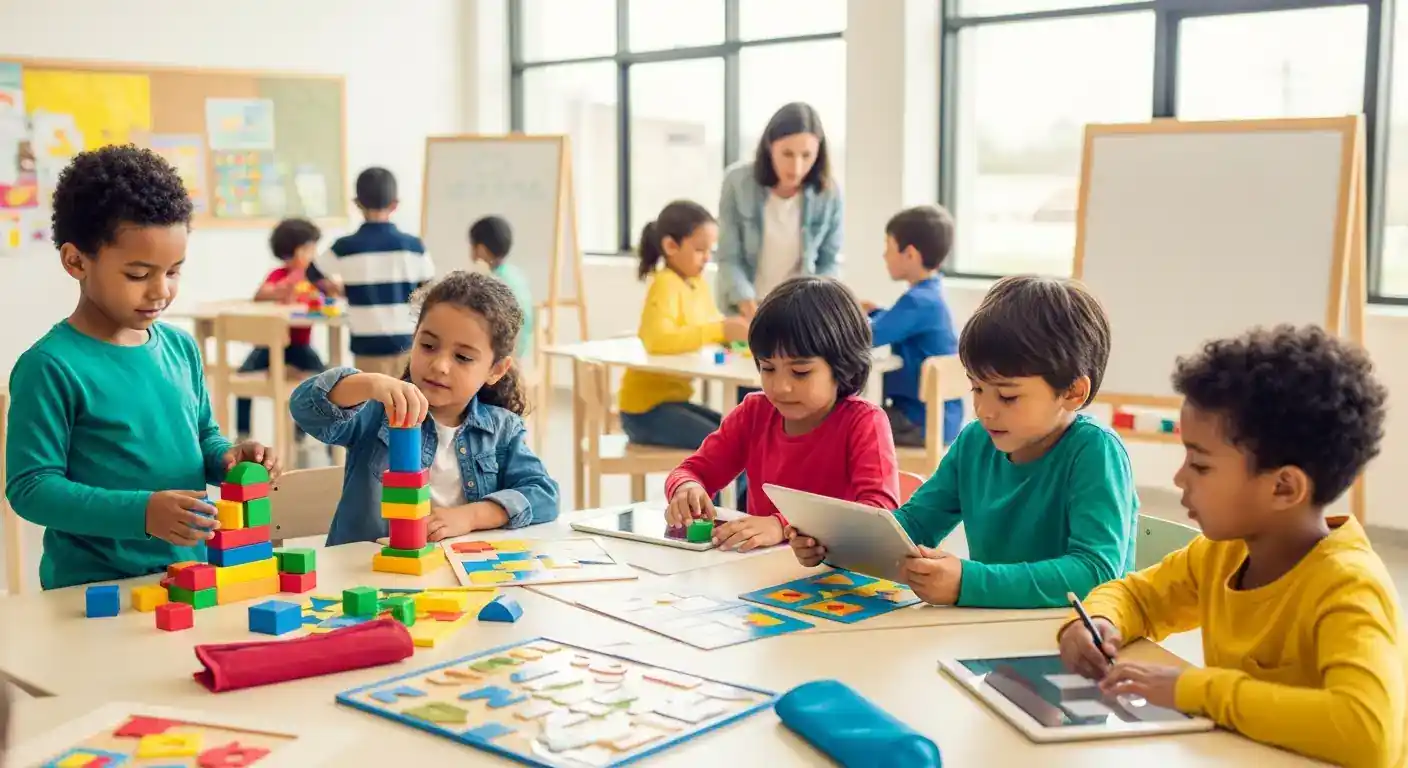
The journey of parenthood is filled with wonder, and every coo, smile, and tentative step marks a significant milestone in your child's development. Understanding and supporting these crucial early stages is paramount. Home-based early intervention activities offer a powerful, accessible way to foster your child's growth right from the comfort of your living room. This guide is designed to empower parents, caregivers, and families with practical strategies to enrich their child's early learning experiences and address potential developmental needs proactively.
This article delves into how simple, everyday interactions can become meaningful early learning games that promote cognitive, social, emotional, and physical development. By integrating expert-backed techniques into your daily routine, you can create a nurturing environment that encourages exploration and learning, laying a strong foundation for their future.
Key Points:
- Empowerment: Parents are a child's first and most important teachers, capable of significantly impacting early development.
- Accessibility: Effective early intervention doesn't require specialized equipment; it utilizes everyday interactions and household items.
- Holistic Growth: Activities target multiple developmental areas, including communication, motor skills, and social-emotional learning.
- Proactive Support: Engaging early can help identify and address developmental delays or enhance typical development.
- Joyful Learning: The most effective strategies are rooted in play, connection, and a positive parent-child relationship.
Understanding Home-Based Early Intervention Activities
Home-based early intervention activities are a collection of strategies and play ideas designed to support infants and young children in reaching their developmental milestones. These activities are particularly beneficial for children who may be at risk for, or have identified, developmental delays. However, their value extends to all children, promoting robust development across various domains. The core idea is that consistent, responsive interaction within a child's natural environment is incredibly powerful.
Unlike clinical therapy sessions, home-based approaches integrate learning into daily routines like feeding, bathing, and playtime. This seamless integration makes learning feel organic and fun for the child, while empowering parents to become active participants in their child's developmental journey. The focus is on building a child's emerging skills through positive, engaging experiences. Experts highlight the profound impact of this approach, noting that a child's early experiences directly shape their brain architecture and future capabilities (National Scientific Council on the Developing Child, 2023).
Key Developmental Areas for Early Intervention at Home
Supporting a child's development from day one involves nurturing several interconnected areas. Effective early intervention considers the whole child, focusing on their unique strengths and emerging needs. Here’s a breakdown of the crucial domains you can address with home-based activities.
Communication and Language Skills Development
Early communication is more than just talking; it includes gestures, babbling, and understanding. Encouraging these skills is foundational for social interaction and cognitive growth. Simple activities like reading aloud, singing songs, and responding to your child's babbles can significantly boost their language acquisition. For instance, describing actions during playtime ("You're pushing the red block!") enhances vocabulary and comprehension.
Fine and Gross Motor Skill Enhancement
Motor skill development is essential for a child's independence and exploration. Fine motor skills involve small muscle movements, like grasping and manipulating objects, while gross motor skills involve larger movements, such as crawling, walking, and jumping.
- Fine Motor Activities: Stacking soft blocks, playing with textured toys, finger painting, or even attempting to feed themselves with baby-safe utensils.
- Gross Motor Activities: Tummy time, rolling, crawling through tunnels, kicking a soft ball, or safely exploring different floor textures. These activities strengthen muscles and improve coordination.
Cognitive and Problem-Solving Abilities
Cognitive development involves how children think, learn, and understand the world around them. This includes memory, attention, and problem-solving. Engaging your child with puzzles, shape sorters, and cause-and-effect toys helps them develop critical thinking. Playing "peek-a-boo" teaches object permanence, a key cognitive milestone.
Social-Emotional Growth and Regulation
Developing social skills and emotional intelligence is vital for healthy relationships and self-regulation. This domain encompasses expressing emotions, understanding others' feelings, and forming attachments. Responsive parenting, where you acknowledge and respond to your child's cues, is the cornerstone. Games like imitating facial expressions, sharing toys, and gentle comforting when distressed contribute to a secure attachment and emotional resilience. This is a critical aspect of /categories/social-skills development.
Practical Home-Based Early Intervention Strategies
Implementing toddler development support at home doesn't require elaborate plans. Consistency and intentionality are key. Here are some actionable strategies to incorporate into your daily routine.
Sensory Play Integration
Sensory play engages a child's senses (touch, sight, sound, smell, taste, balance, body awareness) and is a cornerstone of early learning. It helps children understand their environment and process information.
- Tactile Explorations: Provide different textures like soft blankets, bumpy balls, or even a small bin of cooked pasta for safe exploration.
- Visual Tracking: Use high-contrast cards for infants or follow a moving toy with their eyes.
- Auditory Stimulation: Crinkly books, musical instruments (even household items like pots and spoons), or simply listening to different sounds in nature. Sensory experiences are fundamental for brain development and can be easily woven into daily activities.
Music and Movement Activities
Music and movement are natural facilitators of learning. They enhance language, rhythm, motor skills, and emotional expression.
- Sing-Alongs: Simple nursery rhymes or songs with actions encourage language and gross motor imitation.
- Dance Parties: Free movement to music helps with coordination and self-expression.
- Rhythm Games: Clapping hands, tapping feet, or using simple instruments to follow a beat develops auditory processing and timing. These activities are fantastic for early learning games and creating joyful interactions.
Encouraging Pretend Play
As children grow, pretend play becomes increasingly sophisticated and crucial for cognitive and social development. It allows them to explore roles, understand social dynamics, and process emotions.
- Role-Playing: Use dolls or puppets to act out daily routines like eating or sleeping.
- Imaginary Scenarios: Encourage stories where they are the hero or solve a simple problem.
- Dress-Up: Provide safe, simple props for imaginative play.
Pretend play helps in developing creativity, language, and early childhood social skills. For more on this, see our guide on
/articles/nurturing-early-childhood-social-skills-a-parents-guide.
Responsive Communication and Interaction
Beyond specific activities, the quality of interaction between you and your child is paramount. Responsive communication means paying attention to your child's cues, responding warmly, and engaging in "serve and return" interactions.
- Joint Attention: Follow your child's gaze and comment on what they are looking at.
- Expanded Language: When your child points to a ball and says "ba," you can respond with, "Yes, that's a big red ball!"
- Emotional Labeling: Help your child identify their feelings: "You seem frustrated that the tower fell."
These interactions build strong neural pathways for communication and secure attachment. If you're looking for more ways to enhance communication, check out
/articles/essential-toddler-communication-tips-for-parents.
Maximizing the Impact of Home-Based Early Intervention
To truly leverage the power of home-based early intervention activities, consider these insights, which often go beyond basic recommendations.
Differentiated Insight 1: Embracing Neurodiversity-Affirming Practices
Rather than solely focusing on 'fixing' perceived deficits, a modern approach to early intervention embraces a neurodiversity-affirming perspective. This means understanding and valuing different ways of thinking, learning, and behaving. For instance, if a child demonstrates repetitive behaviors, instead of immediately trying to stop them, we can explore their function and incorporate them into play in a meaningful way, perhaps by finding different textures to engage with during a repetitive motion, or by using rhythm in singing to incorporate their natural movements. This approach respects the child's individual wiring and builds on their unique strengths, fostering a sense of belonging and positive self-identity, rather than pathologizing differences (Pellicano & den Houting, 2024).
Differentiated Insight 2: Prioritizing Parental Well-being
The effectiveness of home-based intervention is profoundly linked to the parent's well-being. A stressed or overwhelmed parent may struggle to consistently engage in positive, responsive interactions. Therefore, a crucial, yet often overlooked, component of DIY early intervention strategies is supporting the parent. This includes:
- Mindfulness and Stress Reduction: Simple breathing exercises or short meditation can help parents stay present and calm.
- Seeking Support Networks: Connecting with other parents or support groups can reduce feelings of isolation.
- Self-Care Integration: Even small moments of self-care can recharge a parent, making them more available for their child. By ensuring parents are supported, we create a more resilient and nurturing environment, which directly enhances the child's developmental progress. This holistic view acknowledges that the parent-child dyad is central to successful intervention.
E-E-A-T Enhancement and Authoritative Insights
The principles guiding effective home-based early intervention activities are deeply rooted in child development science. As a professional, I've observed firsthand that consistency and genuine connection are far more impactful than expensive toys or rigid schedules. A 2023 review published by the American Academy of Pediatrics emphasized that early, consistent, and individualized intervention, often delivered within the child’s natural environment, significantly improves outcomes for children with developmental differences. Furthermore, research from the Center on the Developing Child at Harvard University (2024) continues to highlight the critical role of "serve and return" interactions in building strong brain architecture. My personal experience collaborating with early childhood specialists reinforces that parents are incredibly capable and intuitive educators when given the right tools and encouragement.
Expandable Related Subtopics for Future Updates:
- Adapting Activities for Specific Developmental Needs: Tailoring home-based interventions for children with sensory processing challenges, speech delays, or motor difficulties.
- Technology's Role in Early Intervention: Exploring beneficial apps and digital tools that support early learning without over-reliance on screens.
- Nutrition and Sleep's Impact on Early Development: How fundamental aspects of health influence a child's ability to learn and thrive.
Frequently Asked Questions (FAQ)
What is the ideal age to start home-based early intervention activities?
The ideal age to begin home-based early intervention activities is from birth. Early intervention is most effective when started as soon as a developmental concern is identified or even proactively for all children. The brain is most plastic and receptive to learning during the first three years of life, making every interaction a potential learning opportunity. Simple activities like responsive talking, tummy time, and sensory exploration are beneficial for infants and can be adapted as your child grows.
How do I know if my child needs early intervention?
It's natural for parents to wonder about their child's development. While every child develops at their own pace, consistent delays in milestones like smiling, babbling, sitting up, crawling, or making eye contact could signal a need for further evaluation. Trust your parental instincts. If you have concerns, speak with your pediatrician. They can provide guidance, conduct screenings, and refer you to specialists for a comprehensive assessment, ensuring timely support.
Can these activities replace professional therapy?
Home-based early intervention activities are a powerful complement to, but not typically a replacement for, professional therapy when significant developmental delays are present. Therapists (e.g., physical, occupational, speech) provide specialized expertise, targeted strategies, and a structured intervention plan. However, parental involvement through consistent home-based activities amplifies the effectiveness of professional therapy by providing daily reinforcement and a supportive learning environment, maximizing the child's progress.
How much time should I dedicate to these activities daily?
The beauty of early learning games at home is that they don't require large blocks of dedicated time. Instead, focus on integrating short, consistent bursts of intentional interaction throughout your day. Even 5-10 minute play sessions several times a day, or turning routine tasks into learning opportunities (e.g., talking about clothes during dressing), can be highly effective. The key is quality, responsive interaction that follows your child's lead, making learning a joyful and natural part of your shared experiences.
Empowering Your Child's Bright Future
Engaging in home-based early intervention activities is one of the most significant investments you can make in your child's future. By embracing these simple, powerful strategies, you're not just playing games; you're building neural pathways, fostering resilience, and nurturing a secure, loving bond. Remember, every small interaction contributes to the magnificent tapestry of their development.
We encourage you to experiment with these ideas, adapt them to your family's unique rhythm, and most importantly, enjoy the precious moments of discovery with your child. Your consistent presence and intentional efforts will lay a robust foundation for a lifetime of learning and growth.
What are your favorite home-based activities? Share your insights and experiences in the comments below!
Further Reading & Resources:
- Explore more articles on developing
/categories/social-skillsin young children. - Learn about the power of
/articles/the-power-of-play-based-learning-for-preschoolersfor holistic development.