Gifted & Talented Education: Nurturing Your Child's Unique Abilities
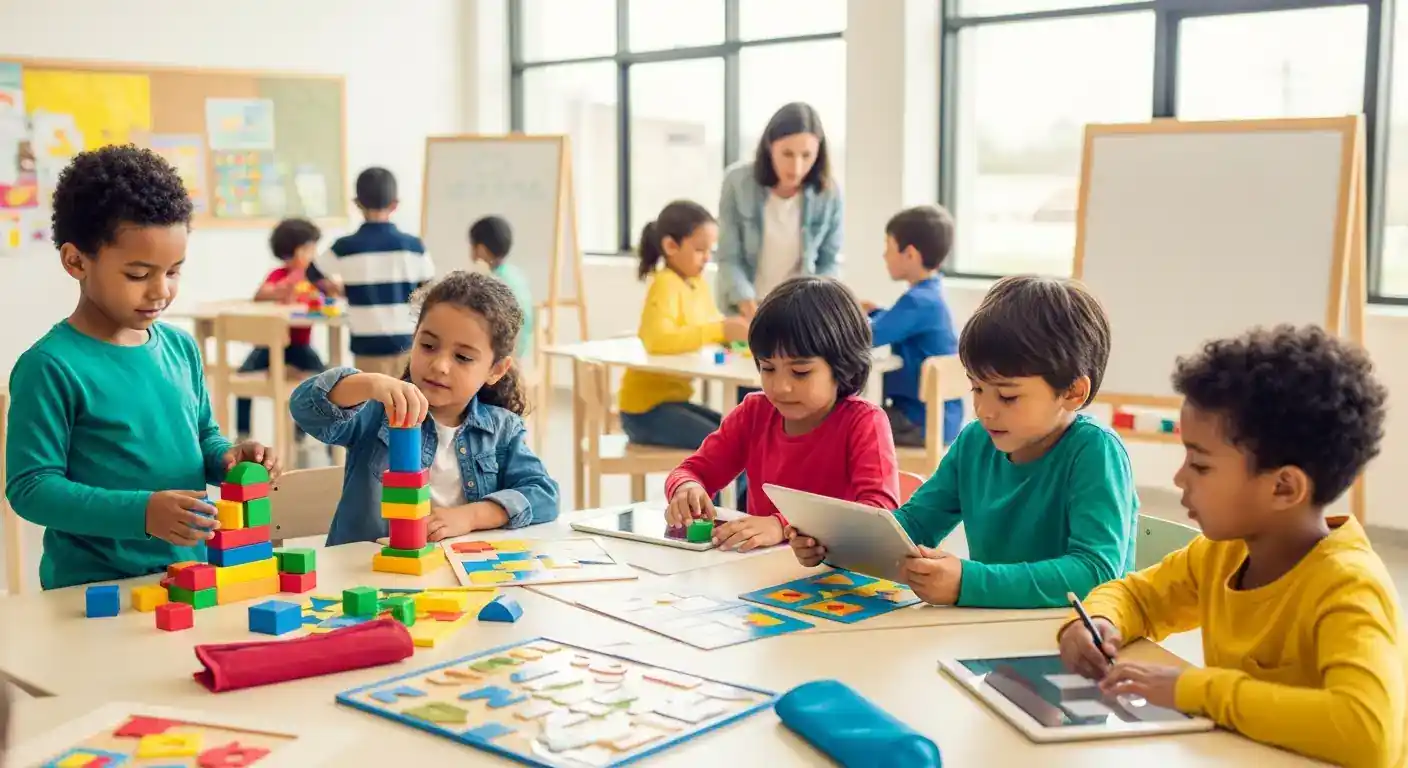
Navigating the educational landscape for a child who demonstrates exceptional abilities can be both rewarding and challenging. Gifted and talented education is designed to meet the unique needs of these learners, ensuring their intellectual, creative, and social-emotional development flourishes. It's not just about academic acceleration; it’s about providing an environment that fosters curiosity, critical thinking, and a lifelong love of learning. This approach aims to prevent underachievement and boredom by offering challenges that align with a child's advanced capabilities.
Key Points:
- Personalized Learning Paths: Tailoring education to individual needs and pace.
- Enrichment Activities: Going beyond standard curriculum to explore deeper interests.
- Social-Emotional Support: Addressing unique social challenges and emotional intensity.
- Development of Advanced Skills: Fostering critical thinking, creativity, and problem-solving.
- Preventing Underachievement: Engaging gifted learners to avoid boredom and disinterest.
Understanding Gifted & Talented Education: Beyond the Basics
Gifted and talented education, often referred to as G&T education, is a specialized field focused on identifying and supporting students who exhibit high levels of ability or potential in one or more domains. These domains can include intellectual, creative, artistic, leadership, or specific academic aptitudes. The core principle is to provide appropriate challenges and learning opportunities that differ from those typically offered in a standard classroom setting. Without such tailored approaches, these students might experience frustration, lack of motivation, or even behavioral issues due to unmet intellectual needs.
The landscape of gifted education has evolved significantly. Early models focused heavily on IQ scores and acceleration. However, modern approaches recognize a broader spectrum of giftedness, incorporating multiple intelligences and diverse talents. It’s crucial to understand that giftedness is not a monolithic trait; it manifests differently in each child. Some may excel in verbal reasoning, while others shine in spatial abilities or possess exceptional creativity. Therefore, nurturing your child's unique abilities requires a flexible and multifaceted strategy.
Identifying Giftedness: More Than Just High Grades
Identifying giftedness is the first step in providing effective support. This process often involves a combination of observations, assessments, and input from various sources, including parents, teachers, and the child themselves.
- Observation: Noticing advanced curiosity, rapid learning, complex problem-solving skills, or unusual interests from an early age.
- Standardized Testing: Using assessments like IQ tests, achievement tests, and aptitude tests can provide objective data, though they are not the sole determinants.
- Teacher and Parent Input: Gathering insights from those who know the child best about their strengths, learning styles, and challenges.
- Portfolio Assessment: Examining samples of work that demonstrate advanced creativity, critical thinking, or mastery of a skill.
It’s important to remember that gifted children can also have learning disabilities (twice-exceptionality), which can sometimes mask their giftedness. A comprehensive identification process should account for these possibilities.
The Pillars of Effective Gifted & Talented Education Programs
Successful gifted education programs are built on several key pillars designed to cater to the specific needs of advanced learners. These programs aim to enrich, extend, and accelerate learning, fostering both academic excellence and personal growth.
1. Curriculum Differentiation: Tailoring the Learning Experience
Curriculum differentiation is fundamental. This means modifying the content, process, and product of learning to meet the needs of gifted students.
- Content Differentiation: Introducing more complex topics, advanced vocabulary, and abstract concepts earlier than typically presented. This might involve exploring advanced mathematics or delving into historical periods with greater depth.
- Process Differentiation: Offering varied learning activities that encourage higher-order thinking skills. This could include problem-based learning, independent research projects, debates, and simulations. Students might work at their own pace or engage in abstract thinking exercises.
- Product Differentiation: Allowing students to demonstrate their learning in diverse ways. Instead of a standard report, a student might create a presentation, design a model, write a play, or develop a computer program to showcase their understanding.
2. Enrichment and Acceleration Strategies
Beyond differentiating the standard curriculum, gifted education often employs specific strategies to challenge and engage advanced learners.
- Enrichment: This involves expanding the breadth and depth of the curriculum. It might include specialized clubs, guest speakers, field trips, mentorship programs, or hands-on projects that allow students to explore areas of intense interest in detail. For instance, a student fascinated by astronomy might participate in an astronomy club, attend stargazing events, and conduct independent research on celestial bodies.
- Acceleration: This strategy allows students to progress through the curriculum at a faster pace. Options include:
- Grade Skipping: Moving a student to a higher grade level.
- Curriculum Compacting: Identifying what a student already knows and eliminating redundant instruction, allowing them to move on to more advanced material.
- Subject-Specific Acceleration: Allowing a student to take advanced courses in specific subjects, such as moving from middle school math to high school calculus.
- Early College Enrollment: Enabling high school students to take college courses.
Differentiated Instruction, a concept discussed by researchers like Tomlinson (2021), emphasizes adapting teaching to meet individual student needs, a cornerstone of effective gifted education.
3. Social-Emotional Development: A Crucial Component
Gifted children often experience intense emotions and may face unique social challenges. Nurturing your child's unique abilities also means supporting their emotional well-being and social integration.
- Emotional Intensity: Gifted individuals can experience emotions more deeply and broadly than their peers. This can lead to heightened sensitivity, perfectionism, and frustration when things don't meet their expectations. Educators and parents can help by teaching emotional regulation strategies and validating their feelings.
- Social Needs: While some gifted children thrive socially, others may struggle to connect with age-mates due to differences in interests, cognitive abilities, or communication styles. Social grouping with intellectual peers can be beneficial, as can explicit instruction in social skills.
- Underachievement and Motivation: When a gifted child is not appropriately challenged, they may become disengaged, leading to underachievement. Fostering intrinsic motivation by connecting learning to their interests and providing opportunities for autonomy is key.
Research from the National Association for Gifted Children (NAGC) consistently highlights the importance of addressing the social-emotional needs of gifted learners to ensure their overall well-being and success.
Advanced Strategies and Differentiated Insights for Gifted Education
To truly excel in gifted and talented education, we must move beyond traditional models and incorporate cutting-edge approaches and unique perspectives. Here are two points of differentiated value:
1. Cultivating Metacognitive Skills for Lifelong Learning
A significant differentiator in modern gifted education is the emphasis on metacognition – the ability to think about one's own thinking. Gifted children often possess strong cognitive abilities, but explicitly teaching them how to learn, how to plan, and how to evaluate their learning process can unlock even greater potential.
- What is Metacognition? It involves understanding one's own strengths and weaknesses as a learner, selecting appropriate learning strategies, and monitoring the effectiveness of those strategies.
- Practical Application: Teachers can facilitate this by modeling their own thinking processes, encouraging students to articulate their problem-solving steps, and engaging them in self-reflection exercises. For example, after completing a challenging project, students could be asked: "What strategies worked well for you? What would you do differently next time? How did you overcome the most difficult part?"
- Impact: Developing strong metacognitive skills equips gifted children with the tools to become independent, self-directed learners capable of navigating complex challenges throughout their lives, a crucial aspect of nurturing your child's unique abilities for the long term. This proactive approach prevents them from relying solely on innate talent and instead builds robust learning habits.
A study published in the Journal of Educational Psychology (2024) demonstrated a significant correlation between metacognitive training and improved academic performance and self-efficacy in gifted students.
2. Fostering a Growth Mindset to Embrace Challenges
While gifted students often achieve early success, they can sometimes develop a fixed mindset, believing their intelligence and abilities are innate and unchangeable. This can lead to avoidance of challenges for fear of failure. Gifted education should actively cultivate a growth mindset, inspired by the work of Carol Dweck.
- Growth Mindset Defined: The belief that abilities and intelligence can be developed through dedication and hard work. This contrasts with a fixed mindset, where abilities are seen as static.
- Promoting a Growth Mindset in Practice:
- Praise Effort, Not Just Outcome: Instead of saying "You're so smart," say "You worked really hard on that, and your effort paid off."
- Embrace Mistakes as Learning Opportunities: Frame errors not as failures but as essential steps in the learning process. Discuss what can be learned from them.
- Introduce Challenges: Encourage students to take on tasks that are slightly beyond their current capabilities, providing support and celebrating the learning journey.
- Talk About Brain Development: Explain that the brain is like a muscle that grows stronger with use and challenges.
- Benefits for Gifted Learners: A growth mindset helps gifted children persevere through difficulties, take intellectual risks, and view challenges as opportunities for development rather than threats to their perceived intelligence. This is vital for fostering resilience and a lifelong passion for learning.
According to a 2023 report by the OECD, schools that actively promote a growth mindset see greater student engagement and a reduction in learning anxiety, particularly among high-achieving students.
Implementing Effective Gifted & Talented Education Strategies at Home and School
Successful gifted and talented education requires a collaborative effort between schools and families. By working together, parents and educators can create a supportive environment that maximizes a child's potential.
The Role of Schools
Schools play a pivotal role in identifying, programming, and supporting gifted students.
- Identification and Assessment: Implementing clear and equitable identification processes.
- Program Design: Offering a range of services, from pull-out enrichment programs to full-time gifted classrooms.
- Teacher Training: Ensuring educators are equipped with the knowledge and skills to work with gifted learners.
- Curriculum and Instruction: Providing differentiated instruction and opportunities for advanced study.
- Counseling and Support: Offering guidance on social-emotional development and career exploration.
The Role of Parents
Parents are the child's first teachers and lifelong advocates.
- Advocacy: Understanding your child's needs and working with the school to ensure they are met.
- Home Enrichment: Providing stimulating activities, books, and experiences that foster curiosity and learning.
- Encouraging Exploration: Supporting your child's interests, even if they seem unusual or niche.
- Promoting Balance: Ensuring your child has time for play, social interaction, and rest, alongside their academic pursuits.
- Emotional Support: Helping your child navigate the emotional complexities that can accompany giftedness.
For more information on advocating for your child's educational needs, readers might find articles discussing effective parent-teacher communication beneficial.
Frequently Asked Questions About Gifted & Talented Education
Q1: What are the signs that my child might be gifted? Signs include rapid learning, advanced vocabulary, intense curiosity, exceptional memory, a deep sense of justice, and a wide range of interests. They may also ask complex questions and have a strong desire for perfection.
Q2: How can I support my gifted child's learning at home? Encourage their interests by providing books, resources, and experiences related to their passions. Engage in discussions, pose challenging questions, and allow them to explore projects independently. Foster a love for learning by making it fun and relevant.
Q3: Is gifted education only for academically gifted children? No, giftedness encompasses a broad range of abilities, including creativity, artistic talent, leadership potential, and psychomotor skills. Effective gifted education programs aim to identify and nurture talent across these diverse domains.
Q4: How does gifted education differ from advanced placement (AP) classes? Gifted education is a broader framework focusing on the holistic development of identified gifted students, often starting from kindergarten. AP classes are typically high school courses designed to provide college-level rigor and potential college credit, usually accessible to students demonstrating academic readiness.
Conclusion: Investing in Future Innovators
Gifted and talented education is more than just an educational pathway; it's an investment in the future. By providing tailored support, challenging curricula, and a nurturing environment, we empower these exceptional individuals to reach their full potential. Nurturing your child's unique abilities ensures they develop not only intellectually but also as well-rounded, resilient, and engaged members of society.
We encourage you to share your experiences and insights in the comments below. What strategies have you found most effective in supporting gifted learners? If you found this article helpful, please consider subscribing for more insights into child development and educational strategies. For further exploration, consider reading articles on fostering creativity in children or understanding the impact of early childhood education on long-term success. ```