Enhancing Communication Skills for Autistic Children: Practical Strategies for Parents & Educators
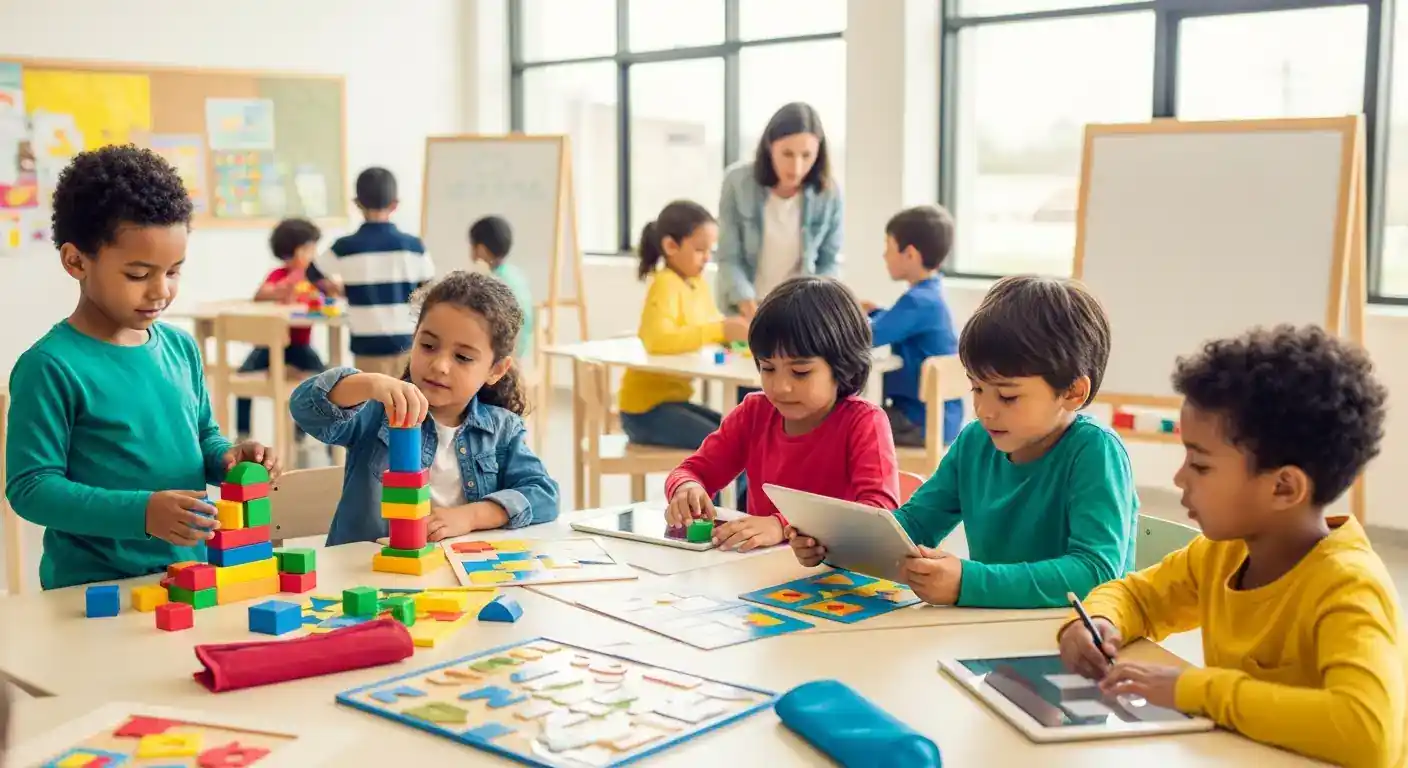
Enhancing Communication Skills for Autistic Children: Practical Strategies for Parents & Educators
Enhancing communication skills for autistic children is a cornerstone of their development, empowering them to express needs, share thoughts, and build meaningful connections. For parents and educators, navigating the diverse landscape of autistic communication can feel overwhelming, but with the right practical strategies, significant progress is achievable. This guide aims to provide actionable insights and evidence-based techniques to foster more effective and joyful communication experiences for autistic children, promoting their overall well-being and independence.
Communication looks different for every autistic child, ranging from verbal speech to non-verbal cues, visual supports, and sophisticated Augmentative and Alternative Communication (AAC) systems. Understanding and embracing these varied forms is crucial. By adopting a neurodiversity-affirming approach, we can create environments where autistic children feel understood and valued, laying a strong foundation for their unique communication journey.
Key Points:
- Individualized Approach: Tailor strategies to each child's unique communication style and needs.
- Multi-Modal Communication: Embrace verbal, non-verbal, and technological tools like AAC.
- Supportive Environments: Create predictable, low-sensory settings for clearer communication.
- Collaboration is Key: Parents, educators, and therapists must work together for consistent support.
- Focus on Connection: Prioritize building relationships over rigid communication goals.
Understanding the Diverse World of Autistic Communication
Autistic children communicate in a myriad of ways, often different from neurotypical patterns. Some may be verbal but struggle with social reciprocity, understanding nuances, or initiating conversations. Others might be non-speaking and rely on gestures, pictures, or assistive technology. Recognizing this spectrum is the first step in enhancing communication skills for autistic children. Challenges can include difficulties with:
- Expressive Language: Conveying thoughts or feelings through words or gestures.
- Receptive Language: Understanding spoken words, body language, or complex instructions.
- Social Communication: Engaging in back-and-forth conversation, understanding perspectives, or interpreting social cues.
- Sensory Processing Differences: Over- or under-responsivity to sensory input can impact attention and ability to process auditory information, making communication more challenging. For more on this, consider exploring
/articles/understanding-sensory-processing-in-autism.
A genuinely supportive approach starts with meeting the child where they are, validating their current communication methods, and building upon them.
Foundational Principles for Fostering Autistic Communication
Before diving into specific techniques, it's vital to establish a strong framework centered on the child's individual needs and strengths. These principles guide all successful interventions.
- Embrace Neurodiversity: Recognize that autistic communication is a valid form of expression, not a deficit to be "fixed." Our goal is to enhance connection and understanding.
- Individualized Assessment: Every child is unique. Observe what motivates them, their preferred communication methods, and their sensory profile. What works for one child may not work for another.
- Create Predictable and Low-Stress Environments: Autistic children often thrive on routine and predictability. A calm, organized space minimizes sensory overload, making it easier for them to focus and communicate.
- Prioritize Connection Over Compliance: Focus on building a warm, trusting relationship. When a child feels safe and understood, they are more likely to attempt communication.
Practical Strategies for Parents: Empowering Home Communication
The home environment offers invaluable opportunities for supporting autistic children's speech and overall communication development. Parents are often the primary communication partners and can integrate strategies naturally into daily routines.
Visual Supports and Schedules
Visual aids are incredibly powerful for many autistic children. They provide clear, concrete information, reducing anxiety and aiding comprehension.
- Daily Schedules: Use pictures or written words to outline daily activities, like "breakfast," "school," "playtime." This helps prepare children for transitions and understand what comes next.
- First/Then Boards: "First clean up, then play with blocks." This can motivate participation in less preferred activities.
- Choice Boards: Offer visual choices for activities, snacks, or toys. This empowers the child to make decisions and express preferences.
Augmentative and Alternative Communication (AAC)
For many non-speaking or minimally verbal autistic children, AAC provides a voice.
- Picture Exchange Communication System (PECS): A widely used system where children exchange pictures for desired items or activities.
- Communication Boards/Books: Collections of symbols or words that children can point to.
- High-Tech AAC Devices: Tablets or dedicated devices with speech-generating apps (e.g., Proloquo2Go, TouchChat). These can open up complex communication, allowing children to express elaborate thoughts and feelings. Early introduction can be life-changing for many families.
Following the Child's Lead
Observe what the child is interested in and join their play or activity.
- Mirroring and Imitation: If they stack blocks, you stack blocks. If they make a sound, you make the sound. This builds joint attention and shows you are engaged in their world.
- Comment, Don't Command: Instead of "Say 'ball'," try "Oh, a ball!" or "The ball rolled away!" Describe what you see, allowing the child to comment if they choose. This reduces pressure and invites spontaneous communication.
Creating Opportunities for Communication
Intentionally set up situations where the child needs to communicate.
- Preferred Item Out of Reach: Place a favorite toy slightly out of reach so the child needs to indicate they want it.
- Missing Pieces: When doing a puzzle, withhold a piece and wait for the child to request it.
- Delayed Gratification: Offer a small portion of a desired snack, waiting for them to request more. These gentle provocations encourage purposeful communication.
Effective Techniques for Educators: Classroom Communication Support
Educators play a vital role in creating an inclusive classroom where every autistic student can thrive and communicate effectively. Educator tips for autistic communication often involve structured approaches and collaborative efforts.
Structured Environments and Visual Schedules
Classrooms can be busy and overwhelming. Structured environments provide clarity and reduce anxiety.
- Individual Visual Schedules: Similar to home, a personalized schedule helps students understand their day, reducing anxiety around transitions.
- Work Stations: Designated areas for specific tasks (e.g., reading station, math station) with clear visual boundaries and instructions. This promotes independence and focus.
- Visual Timers: Help students understand how much time remains for an activity, improving task completion and reducing frustration.
Social Stories and Role-Playing
These tools help teach complex social rules and expectations in a concrete way, aiding in improving social interaction autism.
- Social Stories™: Short, personalized narratives describing a social situation, explaining social cues, and suggesting appropriate responses. For example, a story about "waiting your turn" can be very effective. This builds social understanding in a non-threatening manner.
- Role-Playing: Practice social scenarios (e.g., greeting a friend, asking for help) in a safe environment. This allows students to rehearse and internalize social skills.
Peer Support and Inclusion
Fostering positive interactions with neurotypical peers is crucial for social communication development.
- Peer Buddy Systems: Pair an autistic student with a neurotypical peer who can model appropriate social behavior and provide support.
- Structured Play Dates: Organize guided play activities that encourage interaction and shared interests.
- Teach Peers About Autism: Educate the class about neurodiversity and different communication styles, promoting empathy and understanding.
Collaboration with Families
Consistent communication between home and school ensures continuity of strategies and shared understanding of progress.
- Daily Communication Logs: Brief notes or emails about the child's day, communication attempts, and successes.
- Joint Goal Setting: Work with parents and therapists to set unified communication goals.
- Share Strategies: Discuss what works best at home and school, ensuring a cohesive support system.
Addressing Common Communication Challenges
Even with strategies in place, specific challenges might arise. Understanding how to address these is key to enhancing communication skills for autistic children.
- Sensory Sensitivities Affecting Communication: A noisy classroom or an uncomfortable chair can overload a child, making communication impossible. Minimizing sensory distractions (e.g., noise-canceling headphones, quiet zones) is critical. If a child is experiencing distress, address their sensory needs first.
- Managing Communication Breakdowns: When a child is struggling to communicate, frustration can escalate. Instead of demanding speech, offer choices, visual aids, or a break. Say, "Show me what you need," or "Do you want 'this' or 'that'?" This validates their struggle and offers alternative pathways.
The Role of Professional Support
While parents and educators are central, a team of professionals significantly bolsters efforts to enhance communication.
- Speech-Language Pathologists (SLPs): Experts in communication development, SLPs conduct assessments, develop individualized intervention plans, and teach specific communication strategies. They are vital in determining appropriate AAC systems and tailoring therapies.
- Occupational Therapists (OTs): OTs address sensory processing differences and fine motor skills essential for using communication tools (e.g., pointing, typing). They help create environments that support optimal learning and communication.
- Behavioral Therapists (e.g., ABA providers): Can help address challenging behaviors that interfere with communication, teaching functional communication alternatives. When applied ethically and child-centered, these approaches can be very effective.
According to a 2024 report by the National Autism Association, early and consistent intervention by a multidisciplinary team can improve communication outcomes by as much as 30% compared to delayed or fragmented support. Furthermore, a 2023 study published in the Journal of Developmental & Behavioral Pediatrics highlighted that integrating neurodiversity-affirming practices into speech therapy significantly boosts engagement and long-term communication success in autistic adolescents.
Frequently Asked Questions
Q1: How can I encourage my non-speaking autistic child to communicate more? A1: Start by observing their interests and finding ways to communicate about those topics. Utilize visual supports like PECS or high-tech AAC devices. Create situations where they need to communicate to get what they want (e.g., putting a favorite toy slightly out of reach). Most importantly, respond to all communication attempts, whether a gaze, a gesture, or a sound, to show that their efforts are understood and valued.
Q2: What is the best way to handle meltdowns related to communication frustrations? A2: When a child is experiencing a meltdown due to communication frustration, the priority is to help them regulate and feel safe. Avoid trying to force communication during this time. Instead, offer a quiet space, sensory tools (e.g., weighted blanket), or a visual "break" card. Once calm, gently reintroduce communication by offering choices or visual aids to help them express their needs without pressure.
Q3: How can I teach social skills to an autistic child who struggles with peer interactions? A3: Social skills are best taught explicitly and in context. Use social stories to explain specific social situations and expected behaviors. Practice through role-playing and video modeling. Facilitate structured play opportunities with neurotypical peers, providing guidance and support. Focus on practical skills like initiating greetings, asking questions, and understanding body language, breaking them down into small, manageable steps.
Q4: Is it ever too late to start enhancing communication skills in an older autistic child? A4: It's never too late to work on communication skills. While early intervention is often ideal, individuals of all ages can learn and develop new ways to communicate. Strategies may adapt to include more sophisticated AAC systems, social coaching, and self-advocacy training. The key is to find methods that resonate with the individual's current abilities and interests, continuously fostering opportunities for connection and expression.
Conclusion and Next Steps
Enhancing communication skills for autistic children is an ongoing journey that requires patience, consistency, and a deep commitment to understanding each child's unique way of interacting with the world. By implementing practical strategies, embracing diverse communication methods, and collaborating across environments, parents and educators can unlock incredible potential and foster meaningful connections. Remember, every communication attempt is a victory, and every child deserves a voice.
We encourage you to share your own experiences and successful strategies in the comments below – your insights can help others! For further learning, consider subscribing to our newsletter for more articles on behavioral management and developmental strategies. Explore our category page for more articles on /categories/behavior-management or read about positive-reinforcement-techniques-for-challenging-behaviors to complement these communication strategies.
Information Timeliness and Update Frequency Recommendations: This article provides current best practices as of its publication date (November 30, 2025). We recommend reviewing and updating this content annually to incorporate the latest research and technological advancements in autism communication, especially regarding AAC devices and neurodiversity-affirming approaches.
Expandable Related Subtopics:
- Integrating Technology: Advanced AAC Solutions and Apps for Autistic Children.
- Sensory Integration and its Impact on Autistic Communication: Deep Dive into Strategies.
- Self-Advocacy Skills: Empowering Autistic Individuals to Communicate Their Needs and Preferences.