Differentiated Instruction Strategies for Diverse Learners in Classroom
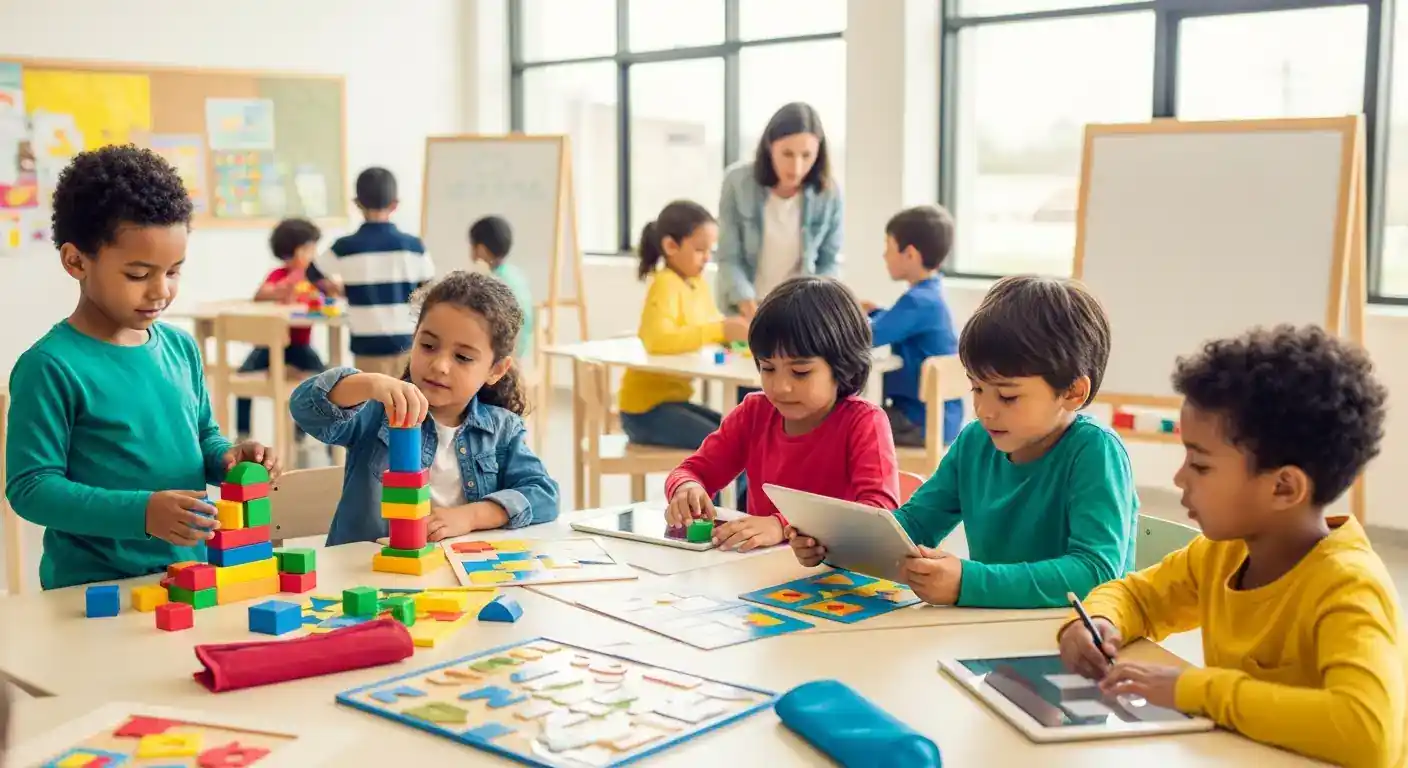
Differentiated Instruction Strategies for Diverse Learners in Classroom: Fostering Inclusive Learning Environments
In today's classrooms, educators face the exciting challenge of teaching a diverse group of students, each with unique learning styles, readiness levels, interests, and cultural backgrounds. Differentiated instruction strategies for diverse learners in classroom settings are not just beneficial; they are essential for creating equitable and effective learning experiences. This approach moves beyond a one-size-fits-all model, tailoring teaching methods to meet individual student needs. By understanding and implementing differentiation, teachers can ensure every student feels valued, engaged, and capable of achieving academic success.
Key Points for Differentiated Instruction:
- Personalized Learning: Tailoring content, process, and product to individual student needs.
- Inclusive Environment: Fostering a classroom where all learners feel supported and challenged.
- Flexible Grouping: Utilizing various grouping strategies to maximize learning opportunities.
- Ongoing Assessment: Using formative assessments to inform instructional decisions.
- Teacher as Facilitator: Shifting from direct instruction to guiding student exploration and discovery.
Understanding the Diverse Needs of Learners in Today's Classrooms
Modern classrooms are rich tapestries of diversity, encompassing a wide spectrum of student needs. This includes students with varying academic strengths and weaknesses, different socio-economic backgrounds, English language learners, students with diagnosed learning disabilities, and those who are exceptionally gifted. Recognizing this inherent diversity is the first step toward effective teaching. Each student brings a unique set of experiences and prior knowledge that shapes their learning journey.
Ignoring these differences can lead to disengagement, frustration, and underachievement for many students. Conversely, embracing and addressing these diverse needs through thoughtful planning empowers educators to unlock each student's full potential. The goal is not to treat every student the same, but to provide equitable access to learning that is appropriate for their individual stage of development.
Core Principles of Effective Differentiated Instruction
Differentiated instruction is built upon several foundational principles that guide its implementation. At its heart, it emphasizes a proactive approach to teaching, where educators anticipate and plan for student differences rather than reacting to them. This involves a deep understanding of curriculum, pedagogy, and student psychology. A key principle is that differentiation is student-centered, focusing on what each learner needs to succeed.
Another crucial aspect is flexibility. Differentiated classrooms are dynamic, allowing for various learning pathways, resources, and assessment methods. Teachers continuously assess student progress and adjust their strategies accordingly. This iterative process ensures that instruction remains relevant and challenging for everyone.
Implementing Differentiated Instruction Strategies for Diverse Learners
Effective implementation of differentiated instruction strategies for diverse learners in classroom requires a multi-faceted approach. It involves modifying content, process, product, and the learning environment. These strategies ensure that students can access information, engage with it, and demonstrate their understanding in ways that suit them best.
1. Differentiating Content: What Students Learn
Content differentiation involves varying the material students learn or how they access it. This can mean providing different texts, using multimedia resources, or offering simplified or advanced versions of concepts.
- Tiered Content: Presenting the same core concept but with varying levels of complexity, support, or abstractness. For example, some students might read a simplified article, while others analyze primary source documents.
- Learning Contracts: Allowing students to choose specific tasks or projects that align with their interests while meeting learning objectives. This fosters autonomy and engagement.
- Varied Resources: Offering a range of materials like videos, audio recordings, graphic organizers, and hands-on manipulatives to cater to different learning styles.
2. Differentiating Process: How Students Learn
Process differentiation focuses on how students make sense of the content. This involves varying activities, instructional methods, and the amount of support provided.
- Flexible Grouping: Regularly changing student groupings based on readiness, interest, or specific skill needs. This could include whole-class instruction, small teacher-led groups, peer tutoring, or independent work.
- Learning Stations/Centers: Setting up different areas in the classroom where students engage in various activities simultaneously, often rotating through them. Each station can target different skills or learning styles.
- Choice Boards: Providing students with a menu of activities from which they can choose to practice or extend their learning. This empowers students to take ownership of their learning path.
3. Differentiating Product: How Students Demonstrate Learning
Product differentiation allows students to show what they know in multiple ways. This moves beyond traditional tests and essays, embracing creativity and diverse strengths.
- Multiple Assessment Options: Offering choices like oral presentations, visual projects, written reports, dramatic performances, or digital portfolios. This allows students to leverage their strengths.
- Rubrics with Flexible Criteria: Using rubrics that clearly outline expectations but allow for varied approaches to meeting them, focusing on mastery of concepts rather than rigid formats.
- Student-Led Projects: Encouraging students to design their own projects based on learning objectives, fostering deeper engagement and critical thinking.
4. Differentiating the Learning Environment
The physical and emotional classroom environment plays a crucial role in supporting diverse learners. A differentiated environment is flexible, supportive, and respectful.
- Flexible Seating Arrangements: Offering various seating options (e.g., standing desks, beanbags, traditional desks) to accommodate different student preferences and needs.
- Quiet Zones: Designating areas where students can work independently without distractions, particularly beneficial for students with sensory sensitivities.
- Clear Routines and Expectations: Establishing predictable routines and explicit expectations helps all students, especially those who thrive on structure, feel secure and focused.
Assessing Readiness and Progress in a Differentiated Classroom
Effective differentiation hinges on continuous assessment. This isn't just about grading; it's about gathering ongoing information to inform instruction. Formative assessments are key, providing real-time insights into student understanding.
- Pre-Assessments: Using quizzes, KWL charts, or discussions before a unit to gauge prior knowledge and readiness levels. This helps teachers group students and tailor initial instruction.
- Observation and Anecdotal Notes: Systematically observing students during activities and noting their engagement, challenges, and successes. This provides rich qualitative data.
- Exit Tickets and Quick Checks: Short, informal assessments at the end of a lesson to quickly check for understanding and identify areas needing further support.
- Self- and Peer-Assessment: Engaging students in evaluating their own work and that of their peers, fostering metacognition and critical thinking.
According to a study published in Educational Leadership in 2024, teachers who consistently use a variety of formative assessment techniques are significantly more effective at implementing differentiated instruction, leading to improved student outcomes across all readiness levels. This highlights the critical link between assessment and responsive teaching.
Leveraging Technology for Differentiated Learning Approaches
Technology offers powerful tools to enhance differentiated learning approaches and streamline implementation. From adaptive learning platforms to digital content creation, technology can personalize the learning experience on a scale previously unimaginable.
- Adaptive Learning Platforms: Software that adjusts content difficulty and pace based on individual student performance, providing personalized practice and feedback. Examples include Khan Academy or IXL.
- Digital Content Curation: Using online resources like videos, interactive simulations, and digital textbooks to offer varied ways for students to access information.
- Collaborative Tools: Platforms like Google Docs or Microsoft Teams facilitate group projects, allowing students to collaborate and contribute at their own pace and in their preferred style.
- Assistive Technologies: Tools such as text-to-speech, speech-to-text, and translation software can remove barriers for students with learning disabilities or language differences.
Research from the Journal of Applied School Psychology (2023) indicates that integrating technology thoughtfully into differentiated instruction can significantly boost student engagement and academic growth, especially for students requiring additional support. For more information on this topic, readers