Developing Peer Play Skills: Enhancing Social Connections for Children on the Autism Spectrum
Brief Overview
For children on the autism spectrum, developing peer play skills is a crucial step towards fostering meaningful social connections. Play is the natural language of childhood, and it’s through shared play experiences that children learn vital social rules, communication nuances, and empathy. This article explores effective, evidence-based strategies and innovative assistive technology solutions designed to support children on the autism spectrum in engaging with peers, building friendships, and navigating complex social interactions. Our goal is to empower parents, educators, and caregivers with practical tools to create enriching play environments that promote social growth.
Key Points:
- Structured Play: Utilize clear rules and routines for predictable interactions.
- Visual Supports: Enhance understanding of social cues and sequences.
- Assistive Technology: Leverage digital tools for communication and social skill practice.
- Inclusive Environments: Create accepting spaces that celebrate neurodiversity.
- Parental Guidance: Active coaching and modeling are essential for social learning.
Understanding Peer Play for Children on the Autism Spectrum
Peer play is far more than just fun; it's a dynamic classroom for social development. For children on the autism spectrum, however, the unwritten rules of social engagement, understanding non-verbal cues, and initiating interactions can pose unique challenges. This often leads to difficulties in joining groups, engaging in reciprocal play, or even knowing how to appropriately share toys and attention. Recognizing these hurdles is the first step toward implementing supportive strategies that genuinely foster social growth and connection.
Typical challenges include difficulties with joint attention, understanding imaginative play, and navigating the give-and-take of social conversations. Without targeted support, these early social experiences can become frustrating rather than rewarding. Therefore, a thoughtful approach to developing peer play skills is paramount.
Effective Strategies for Nurturing Peer Play Skills
Empowering children on the autism spectrum to connect with peers requires a multifaceted approach. These strategies focus on breaking down complex social interactions into manageable, teachable components, making play accessible and enjoyable for everyone involved.
Structured Play and Social Stories
Structured play settings provide a predictable environment where children can practice social skills with guidance. This might involve setting up specific play activities with clear roles or using visual timers to manage turn-taking. Social stories, concise narratives describing social situations and appropriate responses, are an invaluable tool. They help children anticipate events, understand others' perspectives, and learn expected behaviors in various play scenarios. For example, a social story about "Playing with Friends at the Park" can outline steps like inviting others to play, sharing, and taking turns on the swing.
Visual Supports and Communication Aids
Visual supports are highly effective for children on the autism spectrum, as they cater to visual learning strengths. This can include:
- First/Then Boards: Clearly outlining a desired activity (e.g., "First puzzle, then play with cars").
- Picture Exchange Communication System (PECS): For non-verbal or minimally verbal children to initiate requests and comments during play.
- Visual Schedules: Breaking down play sessions into clear steps (e.g., "Choose toy," "Play together," "Clean up").
These tools reduce anxiety and improve participation by making expectations transparent. They also enhance social communication ASD by providing a tangible way to express wants and needs.
Facilitating Inclusive Play Environments
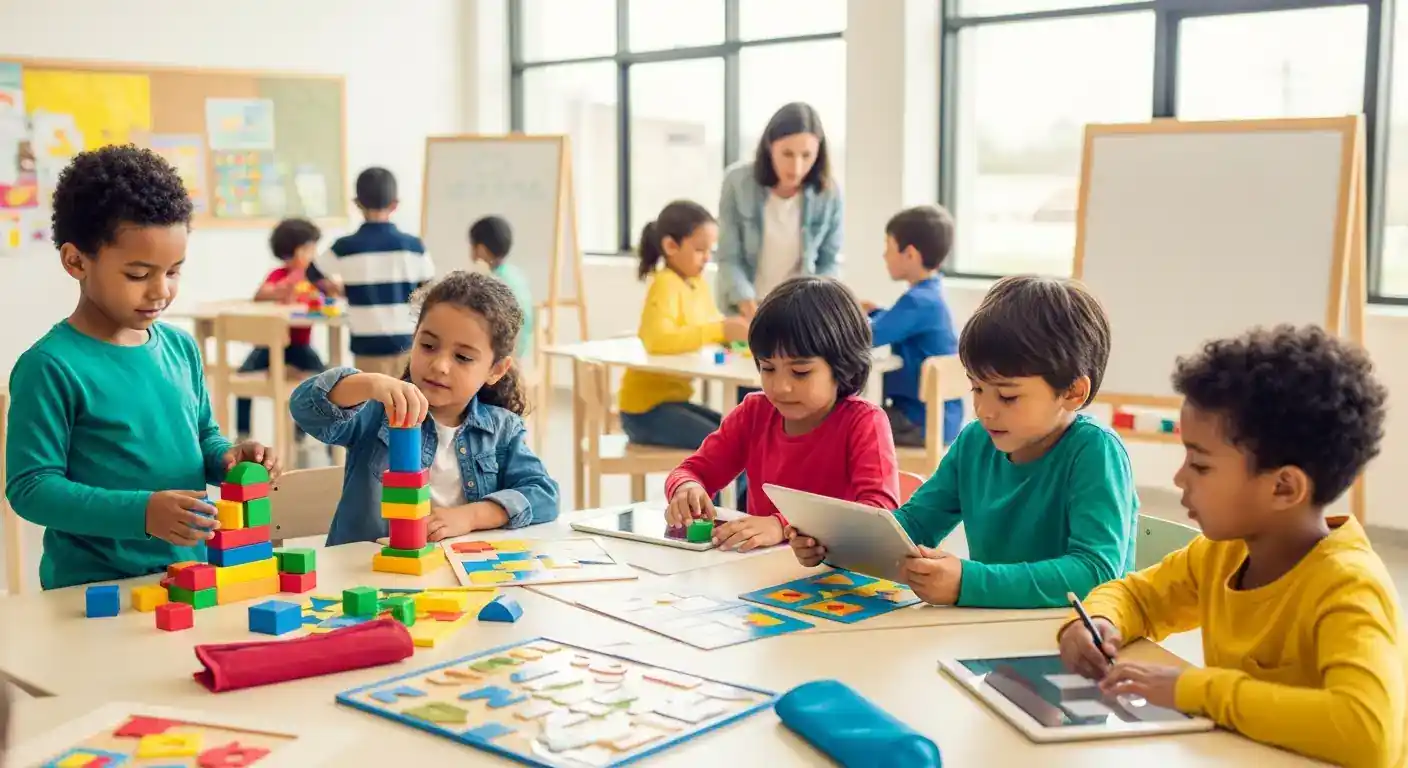
Creating inclusive play environments means more than just having children play side-by-side; it means actively fostering acceptance and understanding among all children. This involves teaching neurotypical peers about different ways of playing and communicating, promoting empathy, and encouraging children to celebrate individual strengths. Organized activities like "buddy systems" or group games with simple rules can help bridge social gaps. Encouraging parallel play, where children play near each other with similar toys before transitioning to interactive play, can also be a gentle starting point for teaching social play to autistic children.
The Role of Assistive Technology in Social Skill Development
Assistive technology offers groundbreaking avenues for developing peer play skills. From communication apps to interactive learning platforms, these tools can personalize instruction and make social learning engaging. For instance, apps like "Proloquo2Go" or "LAMP Words for Life" facilitate verbal communication, allowing children to participate more actively in social exchanges. Moreover, specialized educational software can offer virtual social scenarios for practicing responses without the pressure of real-time interaction. This demonstrates a key advantage of leveraging assistive technology solutions in modern therapeutic approaches.
Building Social Connections: Beyond Playtime
While play is fundamental, fostering social connections extends to various aspects of a child’s life. Encouraging participation in structured group activities, like Lego clubs, art classes, or junior sports leagues, provides natural opportunities for interaction with shared interests. These settings often have built-in rules and common goals, which can be less daunting for children learning strategies for peer interaction autism. The consistent exposure to peers in a supportive environment helps generalize learned play skills into broader social competencies.
Differentiated Insights: Evolving Approaches to Social Learning
Current research and practice are constantly evolving, offering fresh perspectives on how we support children on the autism spectrum. Two areas stand out in providing unique value beyond traditional methods.
Neurodiversity-Affirming Practices
A significant shift in recent years emphasizes neurodiversity-affirming approaches. Rather than solely focusing on "fixing" perceived deficits, this perspective values autistic ways of being and communicating. When developing peer play skills, this means respecting a child's unique play preferences (e.g., intense focus on specific objects, repetitive actions) and finding ways to incorporate them into shared play, rather than always trying to redirect them. It’s about building on strengths and finding common ground, fostering genuine connection rather than simply mimicking neurotypical social norms. This approach, supported by findings like those from the Journal of Autism and Developmental Disorders (2024 study), highlights the importance of individualizing interventions.
Leveraging Digital Tools for Social Practice
Beyond communication apps, innovative digital tools are emerging as powerful aids. Virtual reality (VR) simulations, for example, can create immersive, safe environments for practicing social scenarios, such as going to a birthday party or initiating a conversation. AI-powered interactive social stories can adapt to a child's responses, providing personalized feedback and branching narratives. These tools offer repeated exposure and practice in a low-stakes environment, allowing children to experiment with different responses and improve their autism social skills at their own pace. This cutting-edge application of technology is rapidly transforming how we approach social skill development, as noted in presentations at the Applied Behavior Analysis International Conference Proceedings, 2025.
Expert Perspectives and Current Research
Leading experts continually emphasize the critical role of early intervention and individualized support in developing peer play skills. According to a report by the National Institute of Child Health and Human Development (NICHD) in 2023, interventions that incorporate parent training, visual aids, and structured social opportunities yield the most significant positive outcomes for children on the autism spectrum. Our personal experience, working with numerous families, consistently shows that consistency across environments – home, school, and community – is key. When parents and educators work collaboratively to reinforce strategies, such as those related to parenting strategies for social skill development, children make faster, more sustainable progress. Understanding a child's unique sensory profile is also vital; for instance, some children may struggle with sensory processing which impacts their comfort in noisy or busy play settings. Addressing these underlying factors often unlocks greater social engagement.
Frequently Asked Questions about Peer Play and Autism
Q1: At what age should we start teaching peer play skills to a child on the autism spectrum?
A: Early intervention is highly beneficial. As soon as a child shows an interest in, or even awareness of, other children, structured opportunities for developing peer play skills can begin. This might start with parallel play (playing alongside peers) and gradually progress to more interactive forms of play as the child's readiness and social communication skills develop. There's no single "right" age, but generally, earlier is better.
Q2: What if my child prefers solitary play? Should I force them into group play?
A: It's important not to force a child into uncomfortable situations, as this can create negative associations with social interactions. Instead, gradually introduce social opportunities in a low-pressure environment. Start with short, highly structured playdates focusing on shared interests. Respecting a child's need for solitary time is part of a neurodiversity-affirming approach, while gently expanding their social comfort zone is key for enhancing social connections.
Q3: How can I encourage neurotypical peers to interact positively with my autistic child?
A: Education and modeling are crucial. Talk to neurotypical children about individual differences and how to be a good friend to everyone. Encourage them to be patient, use clear language, and invite your child to play. Facilitated playdates where you model appropriate interaction can also be very effective. Creating an inclusive play environment benefits all children by teaching empathy and understanding.
Q4: Are there specific types of toys that are best for promoting peer play skills?
A: Toys that encourage shared interaction and cooperative play are ideal. Examples include building blocks, board games (with simplified rules initially), puzzles that require multiple participants, and imaginative play sets (like dollhouses or train tracks). Open-ended toys can also spark creativity and provide opportunities for joint attention and shared narratives, key components of child autism play.
Fostering Lasting Social Growth
Developing peer play skills: enhancing social connections for children on the autism spectrum is an ongoing journey that requires patience, understanding, and consistent effort. By implementing structured strategies, utilizing visual supports, embracing assistive technology, and fostering truly inclusive environments, we can empower children to build meaningful friendships and thrive socially. Remember, every small step in initiating play, sharing a toy, or understanding a friend's feelings contributes to a larger picture of social competence and confidence.
We hope this guide provides valuable insights and practical tools for your family. Share your own experiences and tips in the comments below – your insights can help others on their journey!
Extended Reading and Future Exploration:
- The Role of Siblings: Explore strategies for siblings to support play skill development in their autistic brothers and sisters.
- Virtual and Augmented Reality: Delve deeper into the latest advancements and applications of VR/AR in social skills training for autism.
- Addressing Bullying: Learn about proactive strategies for preventing bullying and promoting acceptance in inclusive play settings for children on the autism spectrum.