Developing Independent Living Skills: Essential Transition Planning for Teens with Disabilities
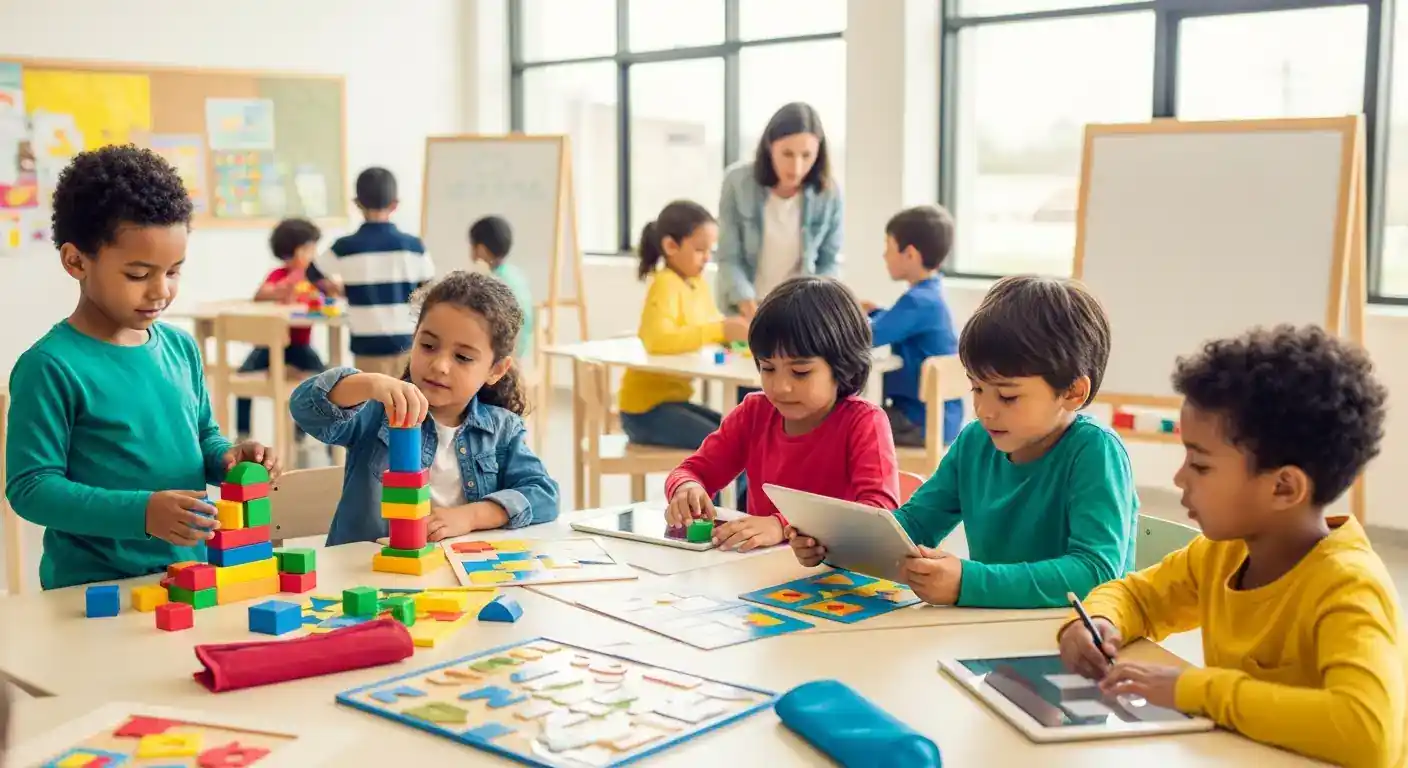
Developing Independent Living Skills: Essential Transition Planning for Teens with Disabilities
Navigating the transition from adolescence to adulthood is a significant journey for every young person. For teens with disabilities, this period requires thoughtful and proactive transition planning, focusing on developing independent living skills. This process is not just about moving from one phase of life to another; it's about building a foundation for self-sufficiency, personal growth, and meaningful community participation. Empowering these young individuals to take charge of their future ensures they can live fulfilling and independent lives.
This comprehensive guide offers insights into effective strategies and resources for families, educators, and caregivers. We will explore key skill areas, planning frameworks, and the latest approaches to ensure a smooth and successful transition. By understanding the nuances of developing independent living skills and engaging in early, comprehensive planning, we can equip teens with disabilities for a confident and capable adulthood.
Key Points:
- Early and personalized transition planning is crucial for long-term success.
- Independent living skills encompass daily routines, self-care, social skills, and financial literacy.
- Collaboration among families, schools, and community services is vital.
- Legal frameworks like IDEA provide a roadmap for transition services.
- Integrating assistive technology and self-advocacy training empowers greater independence.
Understanding the Importance of Independent Living Skills and Transition Planning
The journey toward adulthood for teens with disabilities involves a critical phase known as transition planning. This process, ideally commencing by age 14 or earlier, focuses on preparing young people for life after high school. At its heart is the cultivation of independent living skills, which are the practical abilities required to manage one's daily life, make informed decisions, and participate actively in the community. Without robust planning, opportunities for academic success, meaningful employment, and social integration can be severely limited.
A proactive approach ensures that educational goals align with future aspirations, whether they involve further education, vocational training, or direct employment. This strategic foresight also helps identify potential challenges early, allowing families and support systems to implement targeted interventions. The ultimate goal is to foster a sense of autonomy and capability, empowering teens to confidently navigate the complexities of adult life.
Core Areas for Developing Independent Living Skills
Developing independent living skills encompasses a broad spectrum of competencies crucial for daily life. These skills are often categorized into several key areas, each contributing to a teen's overall self-sufficiency and well-being. Focusing on these areas during transition planning provides a structured approach to skill development.
Daily Living and Personal Care
These are fundamental skills that enable a person to manage their personal well-being and household environment.
- Hygiene and Grooming: Regular bathing, dental care, dressing appropriately for different occasions.
- Meal Preparation: Planning healthy meals, grocery shopping, cooking basic dishes, and safe food handling.
- Household Management: Cleaning, laundry, minor home repairs, and organizing living spaces.
- Health Management: Understanding personal health needs, scheduling appointments, medication management, and knowing when to seek medical help.
Community Participation and Safety
Engaging safely and effectively within the community is a vital aspect of independence.
- Transportation Skills: Using public transport, understanding traffic rules, planning routes, or arranging alternative transport.
- Community Resources: Identifying and accessing local resources like libraries, recreational centers, and healthcare providers.
- Personal Safety: Understanding personal boundaries, recognizing dangerous situations, and knowing who to contact in an emergency.
- Social Etiquette: Developing appropriate social interactions, communication skills, and understanding social cues.
Financial Literacy and Management
Managing personal finances is a cornerstone of adult independence.
- Budgeting: Creating and sticking to a personal budget, understanding income and expenses.
- Banking: Opening and managing bank accounts, using debit/credit cards responsibly.
- Saving: Understanding the importance of saving money for future goals.
- Understanding Bills: Recognizing and paying utilities, rent, and other essential payments.
Self-Advocacy and Decision-Making
Empowering teens to speak up for themselves and make choices is a crucial differentiated value in modern transition planning. This moves beyond basic skills to foster true autonomy.
- Expressing Needs: Clearly communicating desires, preferences, and challenges to others.
- Goal Setting: Participating in setting personal, educational, and vocational goals.
- Problem-Solving: Developing strategies to overcome obstacles and make informed decisions.
- Rights and Responsibilities: Understanding their rights as an individual with a disability and their responsibilities as a citizen. A 2024 study published by the Council for Exceptional Children highlighted that students with strong self-advocacy skills reported significantly higher levels of post-secondary engagement and satisfaction.
The Role of Individualized Education Programs (IEPs) in Transition Planning
For students with disabilities receiving special education services, the Individualized Education Program (IEP) is the cornerstone of effective transition planning. By age 16 (or earlier in many states), the IEP must include specific, measurable post-secondary goals and outline the transition services needed to achieve them. These services are designed to facilitate the student's movement from school to post-school activities.
The IEP transition section typically covers:
- Post-Secondary Education: Goals related to college, vocational training, or continuing education.
- Employment: Objectives for competitive, integrated employment, including vocational assessments and job skill training.
- Independent Living: Goals for developing independent living skills, such as personal care, household management, and financial literacy.
- Community Participation: Plans for engaging in community life, including recreation, transportation, and civic involvement.
Parents, students, educators, and relevant agency representatives form the IEP team, collaboratively setting these goals and identifying appropriate services. This collaborative approach ensures that the planning is person-centered, reflecting the student's unique strengths, preferences, interests, and needs. For more comprehensive educational resources on this topic, consider exploring our /categories/resource-integration section.
Integrating Assistive Technology and Community Resources
Modern transition planning places a strong emphasis on leveraging all available tools and supports. This includes not only educational interventions but also innovative technologies and robust community linkages. Integrating assistive technology (AT) can significantly enhance a teen's ability to live independently, offering tailored solutions for various challenges.
- Assistive Technology Solutions: From communication devices and adaptive software to smart home systems and mobility aids, AT can bridge gaps in ability. For example, a teen with a visual impairment might use screen readers or voice-activated assistants for daily tasks, while someone with motor challenges could benefit from adaptive eating utensils or remote controls. The key is finding the right tools that fit individual needs and preferences. Further details on these solutions can be found in
'/articles/leveraging-assistive-technology-for-daily-living-a-guide-for-families'. - Community Integration Programs: Beyond school-based services, engaging with local community programs provides real-world experience and social connection. These might include:
- Vocational Rehabilitation Services: Offering job coaching, skill assessment, and employment placement.
- Independent Living Centers (ILCs): Non-residential, community-based agencies run by and for people with disabilities, offering peer support, advocacy, and skill training.
- Recreational and Social Groups: Providing opportunities for friendships, hobbies, and developing social skills in natural settings.
Research presented at the 2025 International Conference on Disability Studies underscored the transformative impact of integrated AT and community support networks, showing improved long-term outcomes for individuals transitioning to adulthood.
Fostering Self-Determination and Decision-Making for Greater Independence
A crucial, yet often overlooked, aspect of developing independent living skills is cultivating self-determination. This refers to a person's ability to make choices, set goals, and direct their own life. For teens with disabilities, self-determination is a powerful antidote to learned helplessness and a cornerstone of true independence. It’s not enough to teach tasks; we must empower teens to choose how and when they perform those tasks, and to understand the consequences of their decisions.
Strategies to foster self-determination include:
- Choice-Making Opportunities: Providing options in daily routines, learning activities, and leisure.
- Goal-Setting Involvement: Actively involving teens in setting their own IEP goals and personal objectives.
- Problem-Solving Skills: Guiding them through challenges, allowing them to try different solutions, and learning from mistakes.
- Self-Advocacy Training: Teaching them how to articulate their needs, preferences, and rights effectively to others, including professionals and service providers. This skill is paramount for navigating adult systems independently.
The 2023 "Future of Disability Employment" report by the Department of Labor emphasized that individuals with strong self-determination skills are more likely to achieve competitive employment and live independently. This highlights a critical, differentiated value: focusing on agency and autonomy rather than mere compliance.
Navigating Post-Secondary Education and Vocational Paths
Transition planning must also address post-secondary opportunities, whether they involve higher education or direct entry into the workforce. The aim is to match a teen's skills and interests with suitable pathways for continued growth and economic independence.
- Higher Education: For those pursuing college, planning includes academic preparation, understanding disability support services at colleges, and applying for financial aid. This might involve advocating for accommodations like extended test times or note-takers.
- Vocational Training: Many teens benefit from specialized vocational programs that teach practical job skills in areas like culinary arts, automotive repair, or office administration. These programs often include internships or apprenticeships for hands-on experience.
- Employment Support: Services like job coaching, resume building, interview practice, and supported employment programs help individuals find and maintain jobs. Understanding workplace expectations and developing professional communication skills are vital components. It's essential to align these efforts with
/articles/understanding-iep-transition-goals-for-students-with-special-needsto ensure continuity.
Frequently Asked Questions
Q1: When should transition planning officially begin for teens with disabilities?
A: Federal law (IDEA) mandates that transition planning must begin by the time a student with a disability turns 16. However, most experts and state regulations recommend starting much earlier, often by age 14 or even sooner. Early initiation allows more time to explore options, develop essential skills, and adjust plans as the teen's interests and abilities evolve. Proactive planning leads to better outcomes.
Q2: What are the most important independent living skills to prioritize?
A: While all independent living skills are valuable, prioritizing often depends on the individual's needs and goals. Generally, self-care (hygiene, health management), basic household tasks (meal prep, cleaning), and community safety (transportation, emergency preparedness) are foundational. Alongside these, fostering self-advocacy and financial literacy are crucial for long-term independence and decision-making.
Q3: How can families best support their teen during this transition process?
A: Families play an indispensable role by being actively involved in IEP meetings, encouraging their teen to make choices, and providing opportunities to practice independent living skills at home. Connecting with other families, seeking guidance from disability organizations, and advocating for their teen's needs are also vital. Open communication and unwavering support foster confidence.
Q4: What resources are available for post-secondary education for students with disabilities?
A: Numerous resources exist, including disability services offices at colleges and universities that provide accommodations. Vocational rehabilitation agencies can offer funding and support for training programs. Additionally, specific scholarships for students with disabilities, online educational platforms, and community college programs with strong support systems are valuable options. Exploring these pathways early is key.
Conclusion: Paving the Way for a Brighter Future
Developing independent living skills and engaging in thorough transition planning for teens with disabilities are profoundly impactful endeavors. This journey is about more than just skill acquisition; it's about nurturing self-determination, fostering a sense of belonging, and equipping young people to thrive in their adult lives. By starting early, collaborating effectively, and embracing person-centered approaches, we empower teens to navigate their unique paths with confidence and capability.
Remember, every step taken in planning and skill-building contributes to a future where individuals with disabilities can live with greater independence and fulfillment. We encourage you to engage with your school's transition team, seek out community resources, and continue to champion the potential of every young person.
Next Steps:
- Discuss with your school's Special Education department to review or initiate transition planning for your teen.
- Explore local Independent Living Centers (ILCs) for community-based support and training programs.
- Share this article with other families and educators who could benefit from this information.
Extended Reading Suggestions:
- Understanding the Legal Framework of IDEA and Transition Services
- Strategies for Fostering Self-Advocacy in Young Adults
- Leveraging Community Resources for Post-Secondary Success