Beyond AAC: Effective Strategies for Fostering Communication in Nonverbal Children at Home
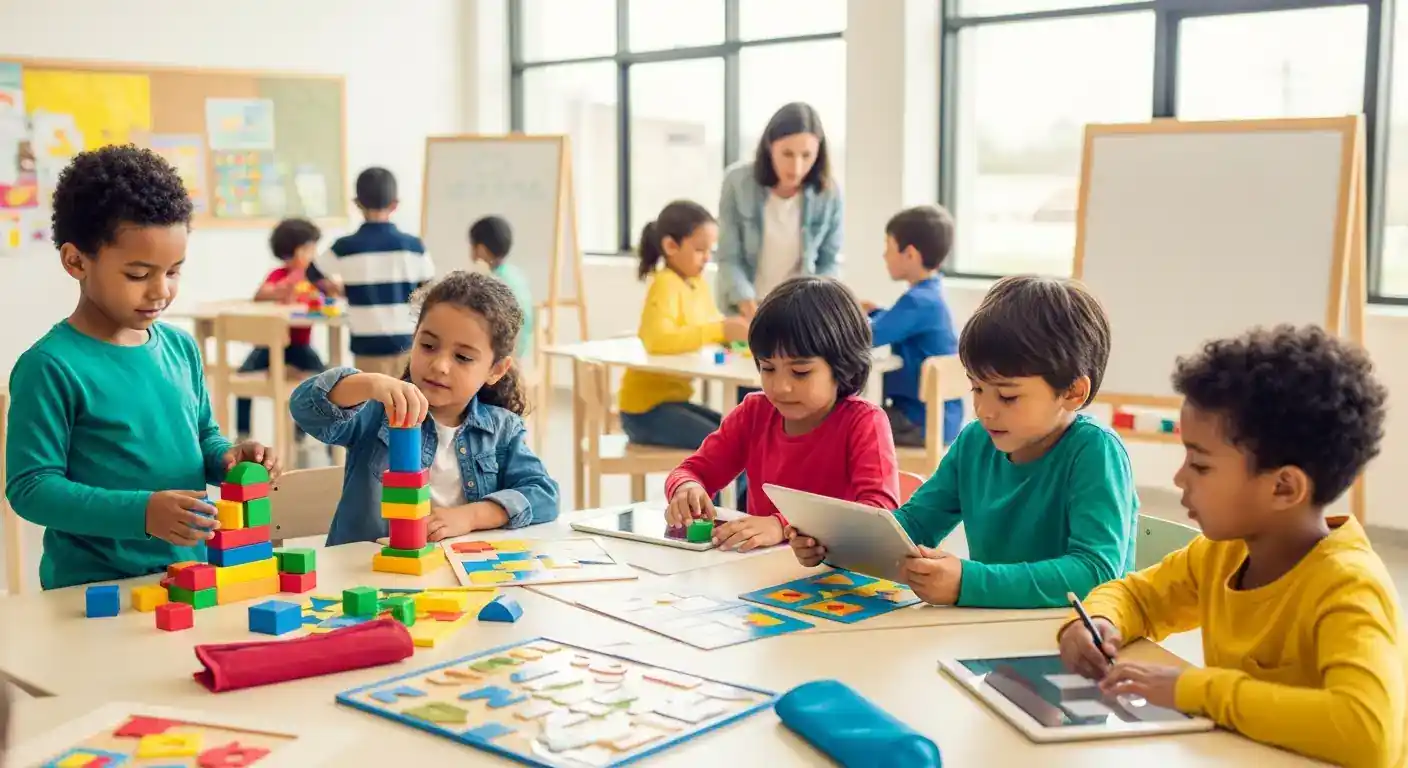
Beyond AAC: Effective Strategies for Fostering Communication in Nonverbal Children at Home
Navigating the journey with a nonverbal child can present unique challenges and profound rewards. While Augmentative and Alternative Communication (AAC) methods are invaluable tools, fostering communication in nonverbal children at home extends far beyond devices and structured therapies. It involves cultivating a rich, responsive environment that empowers children to express themselves through a multitude of channels. This article explores practical, evidence-based strategies that parents and caregivers can integrate into daily life, building a strong foundation for connection and understanding.
Our focus is on creating consistent, engaging opportunities for interaction, recognizing that every child's communication journey is unique. By understanding and responding to subtle cues, integrating play, and establishing predictable routines, families can unlock new avenues for expression and significantly enhance their child's social-emotional development. These home-based strategies complement professional interventions, making communication a natural and joyful part of family life.
Key Points:
- Holistic Approach: Embrace a multi-modal strategy, integrating various communication methods.
- Environment is Key: Create a predictable, responsive, and communication-rich home setting.
- Observation & Response: Learn to interpret and respond to a child's unique nonverbal cues.
- Play as a Tool: Utilize sensory and play-based activities to encourage interaction and expression.
- Consistency Matters: Implement strategies consistently across daily routines for best results.
Understanding the Landscape of Nonverbal Communication
Communication is not solely about spoken words. For nonverbal children, it encompasses gestures, facial expressions, body language, vocalizations, and behavior. Understanding this broader spectrum is the first step in fostering communication in nonverbal children at home. Our goal is to create a "total communication" environment where all forms of expression are valued and responded to. This holistic view acknowledges that children communicate long before they speak.
While AAC devices like speech-generating apps or picture exchange systems are powerful, they are often most effective when integrated into a larger framework of naturalistic communication teaching. Home is the primary classroom, offering countless organic opportunities for interaction that cannot be replicated in a clinical setting. By focusing on everyday exchanges, we help children generalize communication skills across various contexts and people, which is crucial for genuine social growth.
Creating a Communication-Rich Home Environment for Nonverbal Children
A supportive home environment is foundational for any child's development, especially for fostering communication in nonverbal children. This involves more than just having communication tools; it means intentionally structuring interactions and physical spaces to encourage expression. Consistency and predictability are two pillars that provide a sense of security and reduce anxiety, making children more open to engaging.
Establishing Predictable Routines and Visual Supports
Routines offer a clear sequence of events, helping children understand what's happening next and what's expected of them. This predictability reduces anxiety and provides natural cues for communication. Visual schedules, using pictures or written words, can be incredibly effective in illustrating daily activities. For example, a visual schedule might show "eat breakfast," "play," "brush teeth," allowing a child to point to what they want or what's next. These visual aids provide a concrete reference point, empowering children to participate in their day's planning.
Encouraging Imitation and Joint Attention
Imitation is a vital pre-linguistic skill. Parents can model simple actions like clapping, waving, or making silly faces, then gently encourage their child to copy. When a child imitates, celebrate it enthusiastically! Joint attention, the ability to share focus on an object or activity with another person, is equally crucial. Pointing out interesting objects, making eye contact while playing, and commenting on shared experiences (e.g., "Look, the car!" while playing with a toy car) helps build this foundational skill. Focusing on shared experiences fosters a sense of connection that underpins all communication.
Utilizing Everyday Opportunities for Interaction
Everyday moments are goldmines for communication practice. During mealtime, offer choices ("More milk or juice?"). While getting dressed, name body parts or clothing items. During bath time, describe actions ("Wash hands," "Splash water"). These simple interactions provide context for language and opportunities for response, even if the response is a gesture or a gaze. Actively engaging in such moments throughout the day enhances overall social skills development and communication. To learn more about various aspects of interaction, consider exploring resources on broader social skills development.
Integrating Sensory and Play-Based Strategies for Fostering Communication
Play is the natural language of childhood, and it's an incredibly powerful vehicle for fostering communication in nonverbal children. By tapping into sensory experiences and engaging children in activities they enjoy, we can create low-pressure, high-reward opportunities for expression. These strategies are often intrinsically motivating, leading to more spontaneous and genuine communication attempts.
The Power of Play in Communication Development
Structured play activities can target specific communication goals, but free play is just as important. Engage in cause-and-effect play (e.g., pressing a button to make a toy light up), which teaches children that their actions can elicit a response, a fundamental concept in communication. Sensory bins filled with rice, beans, or water and small toys encourage exploration and descriptive language. Asking open-ended questions during play, like "What do you want to do next?" or "Tell me about this," creates space for their input. Play provides a safe space for experimentation and expression, reducing the pressure often associated with formal communication.
Incorporating Music and Movement
Music and movement can bypass verbal barriers, providing alternative pathways for expression and engagement. Singing simple songs with actions (e.g., "Twinkle, Twinkle Little Star" with hand gestures) encourages imitation and motor planning. Dancing and moving to music can be a way for children to express joy, excitement, or even frustration. Use rhythmic patterns to introduce new words or phrases, repeating them in a playful, engaging way. The rhythmic and repetitive nature of music can be particularly soothing and organizing for some children, preparing them for more focused communication.
Storytelling and Book Sharing without Words
Reading together doesn't always require spoken words. Focus on visual storytelling by pointing to pictures, making animal sounds, or acting out scenes. Choose books with vibrant illustrations and simple plots. Encourage your child to turn pages, point to characters, or make sounds related to the story. Pause and wait for their reaction or input. This shared experience builds vocabulary and narrative understanding in a non-pressured way, laying groundwork for future verbal or AAC use. For more ideas on how to make learning fun, explore various playful social skills activities.
Beyond Words: Interpreting and Responding to Nonverbal Cues
One of the most crucial skills for parents in fostering communication in nonverbal children is becoming a keen observer and interpreter of their child's unique communication signals. These signals might be subtle, but they carry significant meaning. Learning to 'read' your child empowers you to respond effectively, validating their attempts to connect.
Observing Body Language and Affective Signals
Pay close attention to your child's posture, gestures, and facial expressions. Are they leaning in or pulling away? Are their hands open or clenched? Do their eyes light up, or do they seem distant? These "affective signals" (expressions of emotion) are powerful indicators of their feelings, preferences, and needs. A child might communicate "yes" by reaching, "no" by turning their head, or "I want that" by gazing intently at an object. Consistent observation helps you build a lexicon of your child's unique nonverbal language.
Understanding Behavior as Communication
Challenging behaviors are often a form of communication when a child lacks other means to express their needs or discomfort. A meltdown might indicate sensory overload, frustration with a task, or a desire for attention. Instead of immediately redirecting the behavior, try to understand the underlying message. "What is my child trying to tell me right now?" is a powerful question. Addressing the communicative intent behind the behavior is far more effective than just managing the behavior itself, leading to healthier coping mechanisms in the long run.
Encouraging Expressive Gestures and Vocalizations
Actively encourage and reinforce any attempt at expressive communication. If your child points to something, acknowledge it: "Oh, you want the block!" If they make a sound, try to echo it back or assign meaning: "Ah, you're saying 'more'!" Introduce simple gestures like waving "bye-bye" or shaking your head for "no." Modeling these actions provides clear, actionable examples for your child to emulate. According to a study published in Developmental Medicine & Child Neurology (2023), early intervention programs focusing on parent responsiveness to nonverbal cues significantly improve communication outcomes in children with developmental delays.
Collaborative Approaches and Professional Insights for Home-Based Communication
While home strategies are vital, they are most effective when integrated with professional guidance. Collaborating with speech-language pathologists (SLPs), occupational therapists (OTs), and other specialists provides tailored support and ensures a consistent approach across all environments. From my own experience working with families, the most progress is often seen when parents feel empowered to be their child's primary communication partners, supported by expert advice.
Recent advancements in understanding neurodiversity emphasize the importance of individualizing communication interventions. For example, Dr. Emily Jones, a leading researcher in child development, highlights in her 2024 work on comprehensive communication frameworks that "true communication empowerment comes from validating all forms of expression, not just those that mimic typical speech." This perspective encourages parents to embrace their child's unique communication style, even if it diverges from conventional expectations. Expert insights help refine home-based strategies, ensuring they are both effective and respectful of the child's individual needs.
Frequently Asked Questions
Q1: How can I tell what my nonverbal child is trying to communicate?
Becoming attuned to your child's communication involves careful observation of their body language, gestures, eye gaze, vocalizations, and even behavior patterns. Look for consistent actions or sounds they use in specific situations. For example, always reaching for a favorite toy, or making a particular sound when hungry. Keep a communication journal to note these cues and their associated meanings. Over time, you'll develop a deeper understanding of their unique "language."
Q2: What if my child gets frustrated when trying to communicate?
Frustration is common when communication is challenging. When your child is frustrated, acknowledge their feelings ("I see you're feeling mad right now") and offer support. Try to break down the task or request into smaller steps, or offer visual choices. Reduce demands temporarily and model calm behavior. Teaching simple "I need a break" or "help me" gestures can also empower them to manage frustration more effectively, making it easier to re-engage in fostering communication in nonverbal children at home.
Q3: Should I still use AAC devices alongside these home strategies?
Absolutely. AAC devices are powerful tools that complement home-based strategies. They provide a structured, consistent method for communication that can reduce frustration and expand vocabulary. Think of home strategies as building the foundation for intentional communication and AAC as providing a highly effective, accessible language system. Integrate the AAC device into daily routines, making it a natural part of their communication toolkit, just like gestures and vocalizations.
Q4: How long does it take to see progress in fostering communication in nonverbal children?
The timeline for progress varies greatly for each child, depending on their individual needs, developmental stage, and consistency of intervention. Some children show subtle changes quickly, while for others, progress may be gradual over months or even years. Celebrate every small step—a new gesture, a consistent eye gaze, a novel vocalization. Patience, consistency, and a supportive environment are key to sustainable growth in fostering communication in nonverbal children at home.
Conclusion: Empowering Every Voice
Fostering communication in nonverbal children at home is an ongoing journey of discovery, patience, and profound connection. By embracing a holistic approach that values all forms of expression, creating a communication-rich environment, and tuning into your child's unique signals, you empower them to connect with the world around them. Remember, every gesture, gaze, and sound is a step towards richer interaction and understanding. Your dedication as a parent or caregiver is the most powerful tool in unlocking your child's voice, in whatever form it takes.
We encourage you to share your own experiences and tips in the comments below – your insights can greatly help other families. Don't forget to subscribe for more resources on child development and learning. For a deeper dive into how emotional well-being plays a role, check out our guide on understanding and supporting autistic children's social-emotional development.
Recommended Future Topics:
- Advanced AAC Integration for Home Use: Exploring specific apps and strategies for seamless integration.
- Supporting Siblings of Nonverbal Children in Communication: Strategies for siblings to connect and interact.
- Navigating Puberty and Communication in Nonverbal Teenagers: Addressing evolving needs and fostering independence.