Behavior Management for Special Needs Kids: Positive Reinforcement Techniques
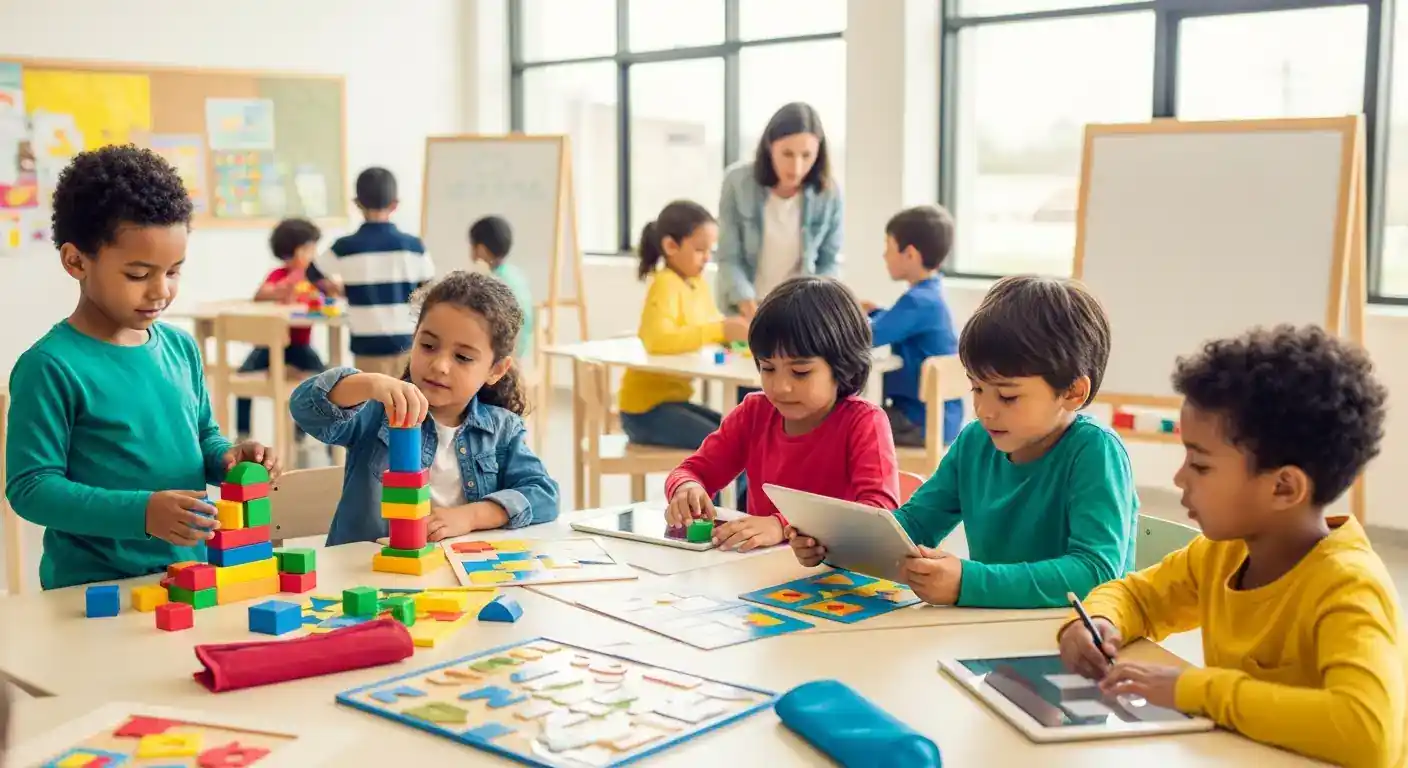
Effective behavior management is a cornerstone of supporting children with special needs. It’s about fostering a positive environment that encourages desired behaviors and minimizes challenges. At its core, behavior management for special needs kids often relies on the powerful principles of positive reinforcement. This approach focuses on rewarding good behavior, making it more likely to occur again. Instead of solely addressing negative actions, we build upon strengths and successes, creating a foundation for growth and development.
This article delves into practical, evidence-based positive reinforcement techniques designed to empower parents, educators, and caregivers in their journey with special needs children.
Key Points:
- Focus on Strengths: Identify and reward positive actions.
- Consistency is Crucial: Apply strategies uniformly.
- Individualization Matters: Tailor rewards and approaches.
- Collaboration is Key: Work with a team of professionals.
- Celebrate Small Wins: Acknowledge progress, no matter the size.
Understanding Positive Reinforcement in Special Needs Behavior Management
Positive reinforcement is a principle from behavioral psychology where a desirable stimulus is added following a behavior, increasing the likelihood of that behavior occurring again. For children with special needs, who may face unique communication, sensory, or cognitive challenges, this method offers a gentle yet effective path to shaping behavior. It's not about bribery; it's about teaching and encouraging.
When a child receives positive feedback, whether it's a tangible reward, praise, or a special privilege, their brain associates that behavior with a positive outcome. This can significantly impact their motivation and willingness to engage in desired actions. This is particularly impactful when implementing behavior management for special needs kids, as it can help overcome potential communication barriers and reinforce learning in a way that resonates with the child.
The Science Behind Positive Reinforcement
Research consistently shows the efficacy of positive reinforcement. A study published in the Journal of Applied Behavior Analysis (2024) highlighted how consistent application of positive reinforcement significantly reduced challenging behaviors in children with Autism Spectrum Disorder, while simultaneously increasing adaptive skills. This indicates that focusing on what we want to see is often more productive than solely focusing on what we want to stop.
Personal experience in educational settings demonstrates that children respond profoundly to genuine affirmation. I recall working with a non-verbal student who, through a carefully structured system of high-fives and a preferred sensory toy as reinforcement, began initiating requests for activities more frequently. This shifted the dynamic from reactive to proactive engagement, showcasing the power of tailored positive reinforcement.
Core Positive Reinforcement Techniques for Special Needs Children
Implementing behavior management for special needs kids through positive reinforcement requires a thoughtful and individualized approach. What works for one child might not work for another, so flexibility and careful observation are paramount.
1. Identifying Reinforcers
The first step is understanding what truly motivates the child. Reinforcers can be:
- Tangible Rewards: Stickers, small toys, tokens, preferred snacks. It's important to rotate these to maintain novelty and effectiveness.
- Activity-Based Rewards: Extra playtime, a turn on a preferred game, listening to a favorite song, a special outing.
- Social Reinforcers: Praise, smiles, high-fives, hugs, positive attention, verbal encouragement. These are often the most powerful and sustainable motivators.
- Sensory Reinforcers: For children with sensory processing differences, access to preferred sensory input (e.g., a vibrating pillow, a specific textured toy, gentle pressure) can be highly reinforcing.
Differentiated Value: Unlike generic approaches, a deep dive into a child's sensory profile and personal interests, often gathered through observation or with input from an Occupational Therapist, can reveal unique reinforcers that are far more potent. For instance, for a child who is hyposensitive to touch, deep pressure might be a more effective reinforcer than a sticker.
2. Token Economy Systems
A token economy is a structured system where children earn tokens (e.g., stickers, points, poker chips) for exhibiting target behaviors. Once they accumulate a certain number of tokens, they can "exchange" them for a larger, pre-determined reward.
- How it Works:
- Clearly define target behaviors (e.g., "sitting quietly," "sharing toys," "completing a task").
- Establish the number of tokens earned per behavior.
- Set the token cost for various backup reinforcers.
- Ensure the system is visually clear and easy to understand.
- Benefits:
- Provides immediate feedback for desired behaviors.
- Teaches delayed gratification.
- Offers a clear pathway to earning desired rewards.
This system is a cornerstone in behavior management for special needs kids because it breaks down complex behavioral goals into manageable steps, making progress tangible.
3. Praise and Verbal Encouragement
Simple, specific praise can be incredibly powerful. Instead of a general "Good job," try:
"I love how you shared your blocks with Maya!"
"Thank you for using your words to ask for help."
"You did a fantastic job focusing on your math problems today."
Key Elements:
- Be immediate.
- Be specific about the behavior.
- Be sincere and enthusiastic.
- Use positive body language (smiles, eye contact).
A 2023 report by the National Association for the Education of Young Children emphasized that positive, specific praise not only reinforces behavior but also builds a child's self-esteem and their understanding of what constitutes acceptable conduct.
4. Visual Supports and Schedules
For many children with special needs, visual aids can significantly enhance understanding and cooperation. Visual schedules, choice boards, and reward charts can make expectations and rewards clear.
- Visual Schedules: Outline the sequence of activities for the day or a specific period. This reduces anxiety and promotes independence.
- Choice Boards: Offer children a limited number of acceptable choices for activities or rewards, giving them a sense of control.
- Reward Charts: Visually track progress towards earning a reward, reinforcing positive behavior.
These tools are vital for behavior management for special needs kids as they cater to different learning styles and can bypass verbal processing challenges.
5. Differential Reinforcement
This technique involves reinforcing one behavior while withholding reinforcement for other, often competing, behaviors.
- Differential Reinforcement of Incompatible Behavior (DRI): Reinforce a behavior that cannot occur at the same time as the challenging behavior (e.g., reinforcing "walking feet" when the challenging behavior is "running indoors").
- Differential Reinforcement of Alternative Behavior (DRA): Reinforce a desirable alternative to the challenging behavior (e.g., reinforcing "asking for a break" when the challenging behavior is "hitting").
- Differential Reinforcement of Other Behavior (DRO): Reinforce the absence of the challenging behavior for a specified period (e.g., reinforcing "not calling out" for 15 minutes).
This advanced strategy offers targeted solutions, making it a sophisticated tool in a comprehensive behavior management for special needs kids plan.
Differentiated Value: Integrating Technology and Collaboration
Beyond foundational techniques, leveraging technology and fostering strong collaborative networks offers unique advantages.
1. Assistive Technology for Behavior Reinforcement
Assistive technology can significantly amplify positive reinforcement strategies:
- Communication Apps: For non-verbal or minimally verbal children, apps that allow them to select icons or pictures to request reinforcers or express their needs can be highly effective. This turns communication into a positive reinforcing act.
- Gamified Learning Platforms: Many educational apps incorporate reward systems, points, and badges that align with positive reinforcement principles, making learning and practicing skills inherently reinforcing.
- Smart Toys and Devices: Some interactive toys can be programmed to provide positive feedback or unlock new features when a child engages in a desired behavior, offering immediate and engaging reinforcement.
This integration of assistive technology moves beyond traditional methods, offering dynamic and personalized reinforcement experiences that are crucial for behavior management for special needs kids.
2. The Power of Professional Collaboration
A holistic approach to behavior management for special needs kids necessitates a collaborative team. This includes:
- Parents/Guardians: The primary source of information about the child's preferences and home environment.
- Educators: Implement strategies in the school setting and provide valuable data.
- Behavior Analysts (BCBAs): Develop and oversee behavior intervention plans.
- Speech-Language Pathologists (SLPs): Address communication needs, which often underpin behavior.
- Occupational Therapists (OTs): Provide insights into sensory processing and fine/gross motor skills.
- Psychologists: Offer support for emotional and cognitive development.
Sharing strategies, consistent implementation across environments, and regular communication among team members ensures a unified and effective approach. This collaborative synergy is a differentiating factor, ensuring that behavior management for special needs kids is comprehensive and adaptable.
Ensuring Success: Practical Tips and Considerations
Implementing these techniques effectively requires ongoing effort and adaptation.
Consistency is King
The most crucial element in behavior management for special needs kids is consistency. Everyone involved – parents, teachers, therapists, and other caregivers – must be on the same page regarding the target behaviors, the reinforcement system, and how it will be applied. Inconsistent application confuses the child and undermines the effectiveness of the reinforcement.
Individualization is Key
Remember that each child is unique. What motivates one child might not motivate another. Regularly assess the effectiveness of your chosen reinforcers and be prepared to switch them up. Observe what the child gravitates towards when given free choice.
Be Patient and Persistent
Behavior change takes time. There will be good days and challenging days. Celebrate progress, no matter how small, and don't get discouraged by setbacks. Persistence is vital.
Focus on Function
Always consider the function of the behavior. Why is the child engaging in that behavior? Understanding the underlying need (e.g., attention, escape, sensory input, access to tangible items) is critical for developing effective interventions. Positive reinforcement is most effective when it addresses these underlying needs.
Frequently Asked Questions (FAQ)
Q1: How can I effectively use positive reinforcement for a child who doesn't respond to praise?
For children who may not be motivated by verbal praise, focus on tangible or activity-based reinforcers. Explore their interests – perhaps a specific toy, a preferred activity, or access to a sensory tool they enjoy. Visual aids and token systems can also make the connection between behavior and reward clearer, bypassing the need for verbal affirmation.
Q2: Is it okay to use treats as positive reinforcement for special needs children?
Yes, treats can be effective reinforcers, but they should be used thoughtfully. Ensure they are healthy options and not the only form of reinforcement. Variety is important; rotating rewards, including social and activity-based options, prevents a reliance solely on food and maintains the novelty and effectiveness of the reinforcement.
Q3: What if a child's challenging behavior escalates when I try to redirect them to a positive behavior?
This can happen if the child is not yet motivated by the alternative behavior or if the challenging behavior is highly reinforcing in itself. In such cases, a differential reinforcement strategy (like DRI or DRA) might be more effective. Reinforce the incompatible or alternative behavior consistently, and consider what might be reinforcing the challenging behavior and how to reduce its effectiveness. Consulting with a behavior analyst can be very beneficial here.
Conclusion: Building a Positive Future
Behavior management for special needs kids is a journey of understanding, patience, and consistent effort. By embracing positive reinforcement techniques, we create an environment that not only addresses challenges but actively cultivates growth, self-esteem, and a love for learning. Remember that individualization, consistency, and collaboration are your strongest allies.
Exploring further into the world of assistive technology solutions can offer innovative tools to support these strategies. We encourage you to share your experiences and challenges in the comments below. What positive reinforcement techniques have you found most effective? Your insights can help empower our community.
For more in-depth understanding, consider exploring related articles on building communication skills in children with special needs or understanding sensory processing differences. These topics are often interconnected with behavior management.